
Bromelia fastuosa
Bromelia fastuosa
Description
Growing requirements
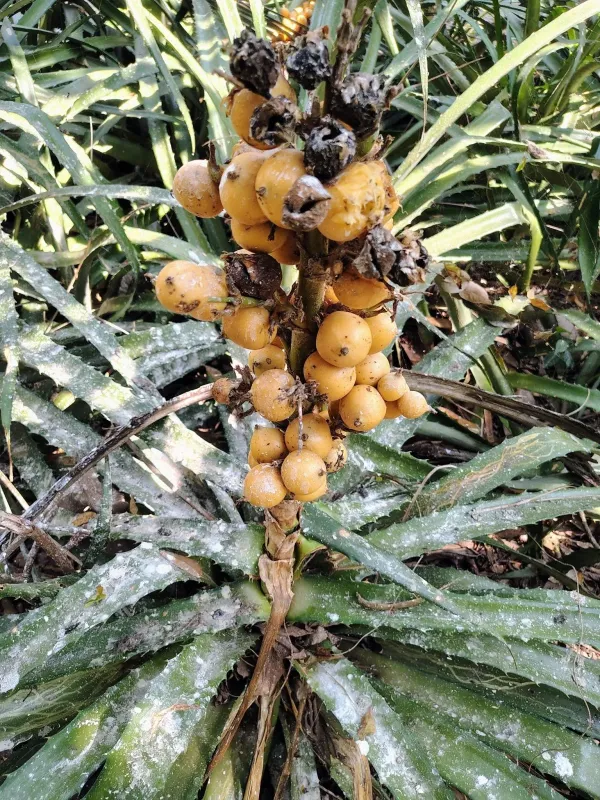
Bromelia fastuosa is a perennial herb belonging to the Bromeliaceae family. It originates from the tropical regions of South America, primarily within the diverse ecosystems of Brazil.
Botanically, the plant is characterized by a dense rosette of rigid, spiny leaves. These structures are highly adapted to capture moisture and nutrients, making the plant efficient in nutrient-poor tropical environments.
For cultivation, well-draining soil is paramount. The plant thrives in sandy or rocky substrates where root aeration is maximized, preventing the common issue of root asphyxiation.
The climate requirements include consistent temperatures between 20°C and 30°C. The species is highly frost-intolerant and requires controlled environments if grown in areas with seasonal temperature drops.
Regarding light, it prefers bright, filtered sunlight. High-intensity light is tolerated, provided that the ambient humidity is sufficient to prevent cellular desiccation in the leaf tissues.
Yield
The primary agricultural utility of Bromelia fastuosa is the extraction of strong, durable fibers from its long leaves. These fibers have been historically used in local textile and cordage production.
Harvesting efficiency is determined by the leaf size and the age of the plant. A well-managed plantation can provide multiple harvests throughout the plant's productive life cycle.
The plant also possesses ornamental value, with its vibrant inflorescences being popular in the cut-flower trade and landscaping in tropical climates.
Productivity is enhanced by balanced fertilization, particularly with potassium and magnesium, which support leaf strength and fiber development.
After fiber extraction, the residual biomass is increasingly being researched for its potential as a source of bio-based materials and organic soil amendments.
Main diseases and pests
Fungal infections, particularly root rot, are the most significant threats to Bromelia fastuosa. These typically occur when irrigation protocols are not followed, leading to waterlogged soil.
Pest pressure is frequently caused by mealybugs and scale insects. These pests cluster in the leaf axils, making physical removal or targeted insecticide application necessary for control.
Spider mites can become problematic during hot, dry periods, causing chlorosis and a decline in overall plant vigor. Increasing humidity can serve as a natural deterrent.
Nematodes are another latent threat, often introduced through infested soil. Using sterile potting media and maintaining plant health helps mitigate this risk.
Early detection of disease is crucial, as the dense nature of the rosette can hide symptoms until the infection has reached an advanced stage.