
Bromelia karatas
Bromelia karatas
Description
Growing requirements
Bromelia karatas is a perennial herbaceous plant belonging to the Bromeliaceae family. It is native to the tropical forests of Central and South America, where it thrives in warm and humid ecosystems.
The plant prefers well-drained, sandy or loamy soils with moderate acidity. It requires high humidity and steady temperatures, ideally between 18 and 30 degrees Celsius, for optimal biomass production.
In terms of light, Bromelia karatas prefers bright, filtered sunlight. Excessive direct sun exposure can damage the foliage, while deep shade significantly slows down the growth rate and fiber development.
Irrigation management is critical; the plant requires consistent moisture, but water must not accumulate in the leaf axils or around the base to prevent root rot, which is a common agricultural failure.
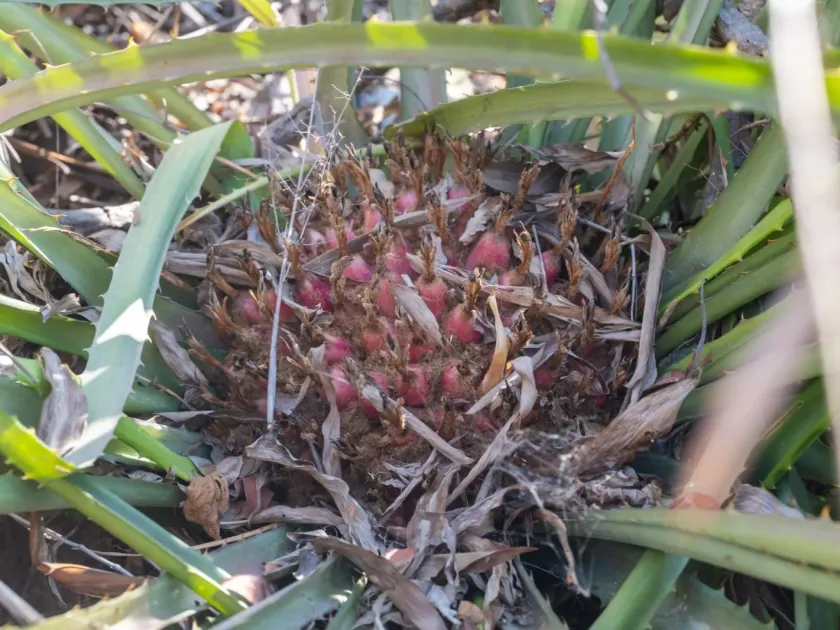
The plant is characterized by a dense rosette of rigid, spine-edged leaves. This physical structure makes it a resilient plant but requires careful handling during field operations and maintenance.
Yield
The primary agricultural value of Bromelia karatas lies in the extraction of high-quality, durable fiber from its leaves. Yield is maximized through consistent nutrient management and proper plant spacing.
In addition to fiber, the plant produces edible fruits that are harvested by local communities and processed into jams or juices. This secondary yield contributes to the overall profitability of a plantation.
Fiber extraction involves mechanical decortication to separate the fibers from the succulent tissue of the leaves. Efficient machinery is required to handle the rigidity and length of the plant's leaves.
The plant is a sustainable crop, as it regrows and produces harvestable foliage over many years if managed correctly, minimizing the need for frequent replanting and soil disturbance.
Proper harvesting cycles ensure a continuous supply of raw material for the textile and manufacturing industries, where the fiber is valued for its strength and moisture resistance.
Main diseases and pests
Mealybugs and scale insects are the most significant pests affecting this species. They settle in the tight leaf bases, requiring systemic insecticides or biological control agents to manage effectively.
Root rot caused by waterlogged soil is a major threat to plantation health. Improving soil drainage and implementing careful irrigation schedules are the best preventative measures against fungal pathogens.
Leaf spot diseases may occur in environments with poor air circulation and excessive dampness. Regular sanitary trimming of damaged or heavily infected leaves helps contain the spread of these issues.
Weed control is essential during the establishment phase, as invasive species can outcompete the young Bromelia plants for nutrients, space, and essential soil moisture.
In extreme weather conditions, the plant may suffer from physiological stress if temperatures drop too low, which can lead to stunted growth and increased susceptibility to opportunistic infections.
Harvesting
Harvesting is typically performed by manual labor, with harvesters utilizing heavy-duty gloves and protective clothing to safely handle the spine-covered leaves without injury.
Fruit harvesting is selective and timed based on the ripening of the fruit, indicated by a shift in skin color. Rapid collection is necessary to prevent spoilage and ensure the best flavor profile for market.
Post-harvest processing of leaves should occur as soon as possible after cutting to prevent the degradation of fiber quality. The extraction process removes chlorophyll and tissue to leave pure fiber.
Drying the extracted fibers under shaded, ventilated conditions is vital to maintain their tensile strength and color. Avoid direct sunlight during the drying process to prevent fiber brittleness.
Final product management includes sorting by length and quality, which determines the value in the commercial fiber market for ropes, nets, and specialty textile applications.