
Bromelia balansae
Bromelia balansae
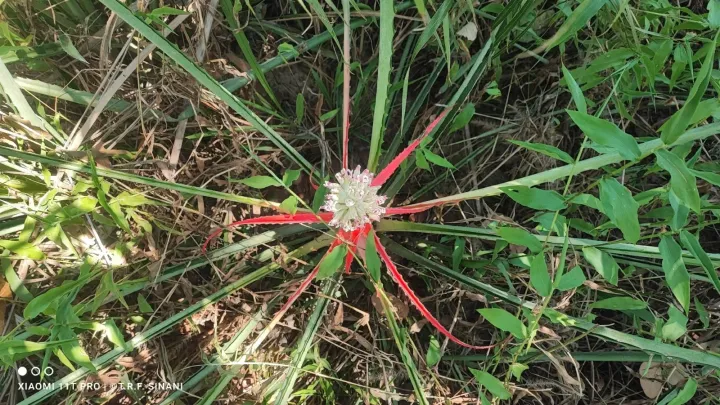
Description
Growing requirements
Bromelia balansae is a perennial herbaceous plant belonging to the Bromeliaceae family. Originating from South America, specifically in regions across Paraguay, Argentina, and Brazil, this species thrives in diverse habitats ranging from tropical forests to open, semi-arid savannahs.
The plant exhibits a rosette-forming habit with elongated, fibrous leaves armed with sharp marginal spines. These leaves are the primary source of commercial interest, as they contain high-quality fibers that have been traditionally utilized for cordage and textile production due to their extreme durability.
Cultivation of Bromelia balansae requires a warm, sunny climate with well-draining soil. While the species is drought-tolerant once established, it responds significantly to moderate irrigation during the growing season. It performs best in soils with a slightly acidic to neutral pH level.
Agricultural practices for this crop focus on ensuring adequate spacing between plants to allow for proper air circulation, which reduces the incidence of fungal pathogens. Soil aeration is critical, as root rot is a common issue in poorly managed, waterlogged, or compacted soil conditions.
In terms of propagation, the species is commonly grown from offsets (pups) produced at the base of the mother plant. This method ensures genetic uniformity and faster establishment compared to seed propagation, making it the preferred choice for commercial fiber production schemes.
Main diseases and pests
The main phytosanitary threats to Bromelia balansae include various fungal pathogens such as Fusarium and Phytophthora, which typically develop in conditions of excessive soil moisture. Proper drainage and soil management are the primary defenses against these destructive root diseases.
Common insect pests include mealybugs and scale insects, which feed on the sap of the leaves. These pests not only weaken the plant structure but also secrete honeydew, which encourages the growth of sooty mold, negatively impacting the plant's photosynthetic efficiency.
Integrated Pest Management (IPM) strategies are recommended to keep pest populations below economic damage thresholds. This includes the use of selective insecticides, biological controls like predatory mites, and maintaining field sanitation to remove harborages for pests.
Bacterial leaf spots can also occur, particularly during periods of high humidity and stagnant air. Prevention is achieved through maintaining proper plant density and ensuring that the foliage stays relatively dry during the hottest, most humid parts of the day.
Continuous monitoring of the crop is essential to ensure early detection of any health issues. By implementing rigorous hygiene standards and appropriate moisture control, growers can maintain high-quality fiber yields and long-term plantation health.