
Bromelia hybrids
Bromelia hybrids
Description
Growing requirements
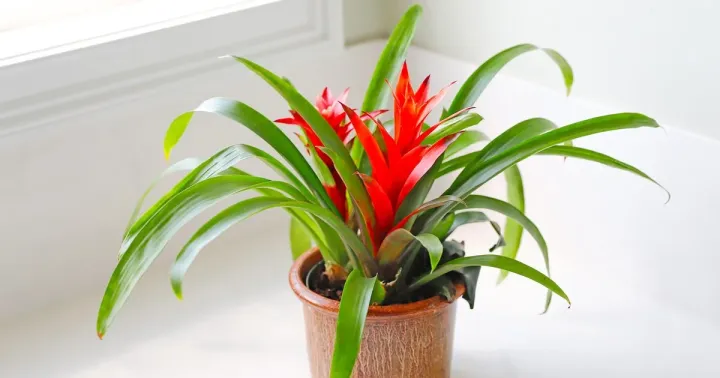
Bromelia hybrids are ornamental plants belonging to the Bromeliaceae family. These cultivars are selectively bred from species native to the tropical regions of the Americas, where they primarily exist as epiphytes, anchoring themselves to trees or rocky surfaces to absorb nutrients and moisture from the air.
To ensure optimal development, the climate must replicate tropical conditions with temperatures ranging from 20°C to 26°C. High humidity levels, ideally maintained between 60% and 80%, are essential for the physiological processes of these plants, especially for their specialized foliar absorption systems.
The growing medium for Bromelia hybrids must be coarse, well-draining, and acidic. A typical substrate includes bark, perlite, and high-quality peat moss, which prevents waterlogging and provides the necessary airflow for roots that are not adapted to heavy, compacted soils.
Proper agronomic practice involves watering the central tank (rosette) with filtered or distilled water at room temperature. The substrate itself should be kept only slightly moist, as the plant relies more on its foliar water uptake than on the root system for direct hydration.
The economic importance of Bromelia hybrids lies in their high demand within the ornamental horticultural industry. These plants are widely produced for greenhouse sales and interior landscaping due to their striking inflorescences and the ability to maintain aesthetic appeal for extended periods.
Main diseases and pests
The primary threat to Bromelia hybrids is fungal rot, often caused by stagnant water in the rosette or poor drainage in the potting mix. Maintaining proper sanitation and ensuring adequate air circulation are critical strategies for preventing the spread of these pathogens.
Common pests affecting this crop include mealybugs, scale insects, and spider mites. These pests thrive in dry environments and can cause significant damage to the leaves; integrated pest management, including systemic insecticides and biological controls, is often required for commercial production.