
Bladder fern
Cystopteris
The bladder fern (genus Cystopteris) is a group of small to medium-sized perennial ferns belonging to the Cystopteridaceae family. These plants are found in a wide variety of habitats, ranging from rocky alpine slopes to cool woodland forests.
What the section contains


Bladder fern
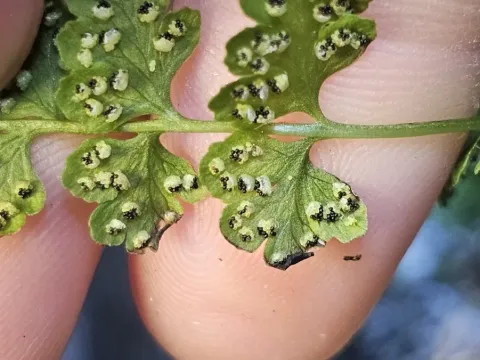
Botanically, these ferns are recognized by their rhizomatous growth habit and delicate, finely dissected foliage. The name comes from the small, inflated indusia (flaps) that cover the sori on the undersides of the fronds, protecting the spores.
The cultural requirements for Cystopteris involve providing a shaded or semi-shaded environment. They thrive in locations that mimic their natural cool and damp habitats, requiring protection from harsh midday sun and strong winds.
Soil quality is paramount, as the bladder fern prefers a loose, humus-rich, and well-draining medium. Consistent moisture is necessary for success, though the soil should never become waterlogged to prevent rot of the sensitive rhizomes.
In terms of landscaping, bladder ferns are excellent choices for rock gardens, shaded border fronts, and woodland style gardens. They add a refined, airy aesthetic to shady spots that are otherwise difficult to fill with flowering perennials.
Fungal pathogens are the primary threat to bladder ferns, particularly when plants are grown in overly humid conditions with poor air circulation, which often results in frond spot or crown rot.
Pests such as slugs and snails are a common issue, as they find the tender, succulent new fronds to be a highly attractive food source during wet spring seasons.
Spider mites can occasionally infest the plants if they are kept in conditions that are too dry or warm, leading to stunted growth and discolored, brittle leaves that lose their aesthetic value.
Preventative maintenance, such as ensuring adequate spacing between plants and removing decaying foliage at the end of the season, significantly reduces the likelihood of these common horticultural problems.
Control methods should focus on organic deterrents first, especially for slugs, and systemic protection should only be used as a last resort due to the potential sensitivity of fern species to chemical applications.