
Alpine bladder fern
Cystopteris alpina
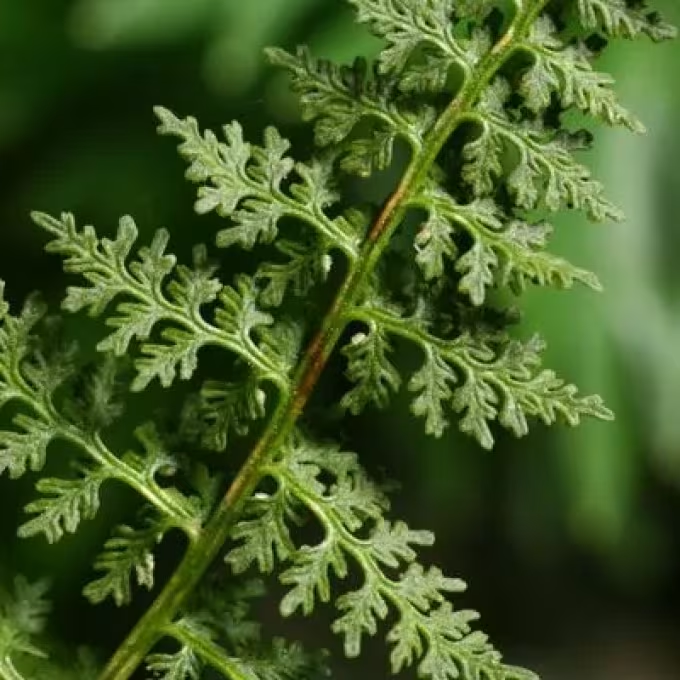
Description
Growing requirements
The Alpine bladder fern (Cystopteris alpina) is a delicate perennial plant belonging to the Athyriaceae family. It is typically found in the crevices of limestone rocks and cool, shaded alpine slopes, where it thrives in mineral-rich environments.
Successful cultivation of this species requires a substrate that mimics its natural habitat: rocky, free-draining, and rich in calcium. It is essential to ensure the soil structure allows for rapid drainage while maintaining constant, subtle moisture levels.
Regarding light requirements, the plant is strictly shade-loving. It should be positioned in areas protected from direct sun, such as north-facing rock gardens or the sheltered spots of a woodland garden, to prevent tissue damage.
The climate in the growing area must be cool and humid. In regions with warm summers, gardeners must provide additional cooling through shading and careful watering to maintain the plant's physiological balance.
When planting, it is advised to use a mixture of leaf mold, grit, and limestone chips. This creates the specific root environment necessary for the long-term health and growth of the Alpine bladder fern.
Main diseases and pests
Root rot is the primary physiological threat to the Alpine bladder fern. This condition occurs when the substrate is too heavy or when drainage is inadequate, leading to water stagnation around the rhizomes.
Slugs and snails are frequent pests that pose a significant threat, especially during the spring growth phase. They can consume large portions of the fronds, severely impacting the plant's vigor and ornamental value.
Fungal diseases, including various leaf spots, often develop if the foliage remains wet for extended periods in stagnant air conditions. Improving airflow around the plant is the most effective preventative measure.
In hot and dry conditions, spider mites may infest the plant, causing the fronds to lose their luster and eventually turn brown. Regular inspection and maintaining local humidity help prevent these outbreaks.
Environmental stress from extreme heat can weaken the plant, making it more susceptible to opportunistic pathogens. Mulching with stone chips is a practical solution to keep the roots cool and moisture levels stable.