
Brittle bladder fern
Cystopteris fragilis
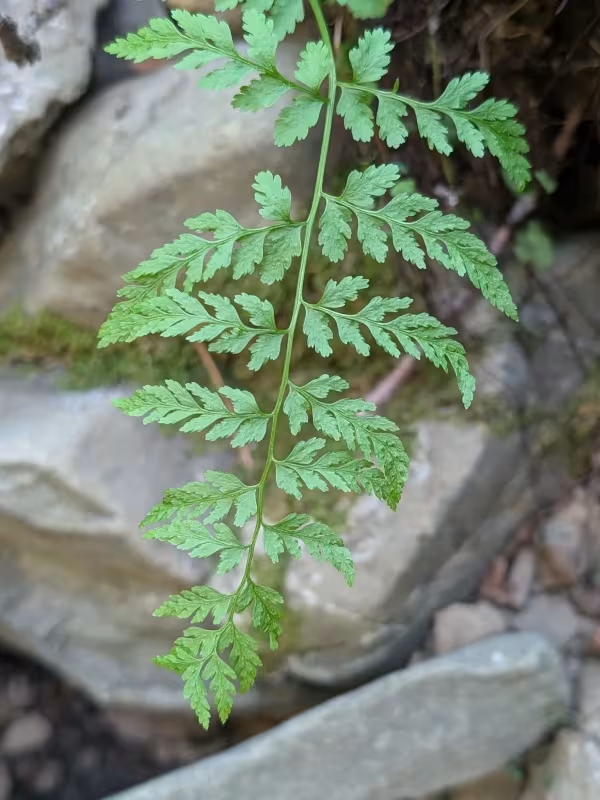
Description
Growing requirements
The brittle bladder fern, known scientifically as Cystopteris fragilis, is a perennial fern belonging to the Cystopteridaceae family. It is a resilient but delicate species often found in varied environments across the Northern Hemisphere.
This fern naturally thrives in crevices of rocks, stony soils, and shaded forest floors. Its broad geographical range reflects its adaptability to various cool and temperate climates, provided that moisture levels remain consistent.
Cultivation of this species requires well-drained, alkaline-to-neutral substrate. Because it is highly sensitive to root rot, the soil structure must allow for rapid drainage while maintaining a certain level of soil humidity.
It demands semi-shaded locations with protection from intense, direct sunlight, which can quickly desiccate its delicate fronds. Light levels should be diffused, similar to those found in an understory environment.
Agricultural management includes precise irrigation that avoids waterlogging, combined with careful weeding to prevent the fern from being overtaken by more aggressive vegetation. Proper spacing is essential to ensure adequate airflow around the foliage.
Main diseases and pests
Root pathogens represent the most significant threat to the brittle bladder fern, typically arising from poor soil drainage. When the substrate remains saturated, the root system quickly fails, leading to plant decay.
Fungal diseases like powdery mildew can occur if the humidity is high and air circulation is restricted. Preventive measures, such as proper spacing and cleaning of debris, are critical to managing these risks successfully.
Slugs and snails are the primary pests that damage the delicate fronds. These pests are particularly active during damp weather, and their feeding can drastically reduce the ornamental and biological value of the plant.
Integrated pest management strategies are recommended, focusing on physical barriers rather than chemical sprays. Using gravel mulch can discourage slugs and provide a more natural, stable environment for the roots.
Regular inspections of the fern colonies are necessary to ensure early detection of any health issues. Swift removal of infected fronds can often prevent the spread of diseases across the growing area.