
Dickie's bladder fern
Cystopteris dickieana
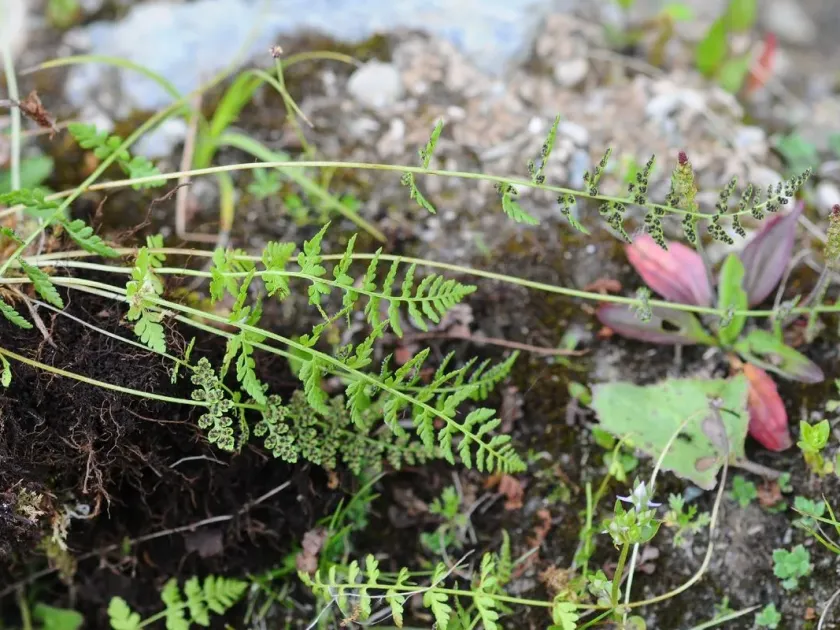
Description
Growing requirements
Dickie's bladder fern (Cystopteris dickieana) belongs to the Woodsiaceae family and is recognized as a distinctive species of fern with specific ecological preferences.
This perennial plant primarily thrives in cool, damp environments, often colonizing limestone crevices or sheltered rock faces where it can access essential minerals.
Successful growth of the fern requires a stable microclimate characterized by high humidity levels and protection from direct, intense sunlight during the peak of the day.
The substrate must be alkaline and well-drained, mirroring the geological conditions of its native alpine or cliffside habitats to prevent waterlogging.
Cultivation attempts should prioritize creating a shade-oriented setup that mimics rocky, sheltered conditions, as the plant is sensitive to thermal stress.
Main diseases and pests
The primary threats to Cystopteris dickieana populations include habitat fragmentation and the ongoing degradation of rocky cliffs due to natural erosion.
Pathogenic fungi pose a significant risk when moisture levels are not carefully managed, potentially leading to root decay and overall decline of the plant colony.
Common garden pests such as slugs and snails are known to consume the delicate fronds, which can be devastating for smaller or weakened specimens.
The fern lacks the competitive vigor to survive in nutrient-rich or overcrowded soil, making it easily smothered by faster-growing, more invasive plant species.
Global climatic changes pose long-term risks, as even minor shifts in temperature or precipitation patterns can disrupt the sensitive reproductive cycle of the fern.