
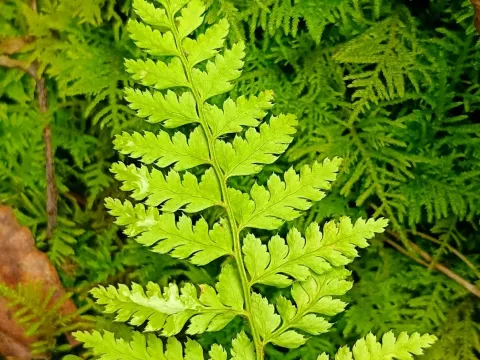
Athyrium
Athyrium Roth
Athyrium (Athyrium Roth) is a prominent genus of ferns belonging to the Athyriaceae family. These perennial plants are highly valued in ornamental gardening for their delicate, arching fronds and ability to thrive in low-light environments.
Содержимое раздела

Athyrium
The primary environmental requirement for Athyrium is consistent shade or partial shade. Exposure to intense sun can lead to leaf scorch and desiccation, permanently damaging the visual structure of the plant.
Soil conditions should ideally be humus-rich, moist, and well-draining. While these ferns prefer a slightly acidic to neutral pH, they are quite adaptable provided that the root zone does not become waterlogged, which can trigger crown rot.
Cultivation involves maintaining stable soil moisture levels throughout the growing season. Mulching with organic matter is recommended to prevent the surface soil from drying out and to mimic the forest floor environment these ferns naturally inhabit.
These plants are generally hardy and can withstand cool temperatures during winter. In colder climates, a layer of mulch applied in late autumn provides essential insulation for the rhizomes, ensuring vigorous growth the following spring.
Slugs and snails are the most significant pests affecting young fronds during the spring emergence. Gardeners should monitor for these pests and implement barriers or traps to prevent severe defoliation of the newly developing leaves.
Root rot is a major threat caused by excessive soil moisture and poor drainage. Ensuring that the planting site has sufficient air permeability is the most effective way to prevent fungal infections of the rhizome system.
Spider mites may infest the foliage during periods of prolonged hot and dry weather. Increasing local humidity and ensuring adequate watering can mitigate the risk of mite infestations and keep the fronds healthy.
Leaf spot diseases can sometimes occur if the ferns are planted too densely. Maintaining proper spacing between plants is crucial for air circulation, which prevents the buildup of humidity and spores on the leaf surfaces.
Good cultural practices, such as removing dead or damaged fronds after the dormant season, help reduce the prevalence of pathogens and keep the Athyrium collection in optimal condition throughout the year.