
Bulblet bladder fern
Cystopteris bulbifera
Description
Growing requirements
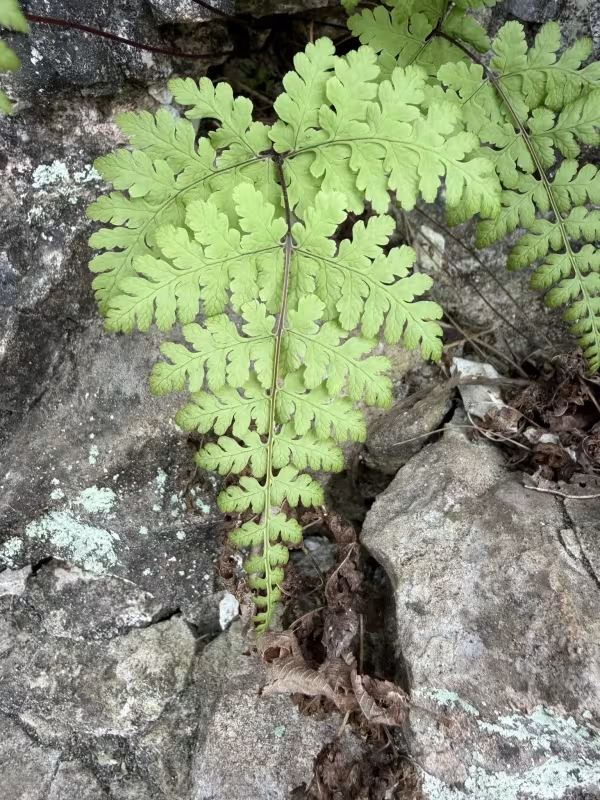
The Bulblet bladder fern (Cystopteris bulbifera) is a perennial fern species belonging to the Cystopteridaceae family. It is native to North America, where it typically inhabits moist, shaded rocky crevices, limestone outcrops, and damp forest floors.
To cultivate this fern successfully, one must replicate its natural woodland environment. It requires consistently moist soil and protection from direct, harsh sunlight. Ideal locations include cool, shaded spots in a woodland garden or north-facing borders where the air remains humid.
The soil should be loose, rich in organic matter, and slightly alkaline. Because this species is often found in association with limestone, adding ground limestone to the planting site is highly beneficial to ensure proper growth and health of the root system.
Agronomic management involves regular monitoring of soil moisture, especially during dry spells. Mulching with leaf mold or wood chips is essential to retain soil moisture and stabilize root temperatures, mimicking the natural organic layer found in its native habitats.
The plant is primarily utilized as an ornamental specimen in landscaping. Its distinctive trait of producing small, bulb-like reproductive structures (bulblets) on its fronds allows for easy propagation and adds unique visual interest to rock gardens, damp stone walls, and shady garden areas.
Main diseases and pests
The primary threats include fungal diseases caused by poor drainage and waterlogged soil conditions. Root rot is a significant risk in heavy, clay-based soils that do not allow for sufficient oxygen flow, often leading to rapid plant decline and death.
Slugs and snails are the most common pests that feed on the soft, emerging fronds during the spring. Implementing barrier methods or using organic pest control solutions is necessary to preserve the aesthetics and health of the fern during the active growing season.
Spider mites can also become an issue if the environment becomes too dry or hot. Maintaining high humidity around the fronds through regular watering or localized misting is the best preventative strategy to ensure the plant remains free from common indoor or outdoor pests.