
Mountain bladder fern
Cystopteris montana
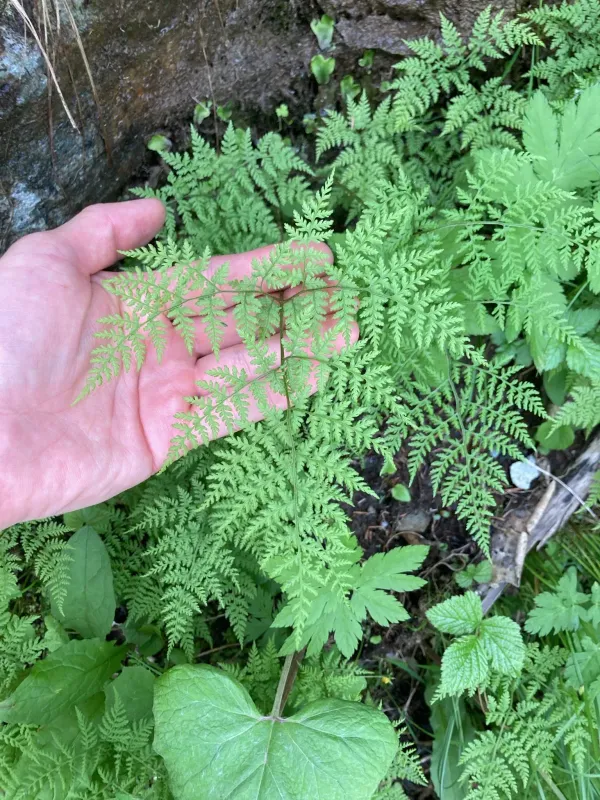
Description
Growing requirements
The mountain bladder fern, known scientifically as Cystopteris montana, is a delicate perennial species belonging to the Cystopteridaceae family. It is typically found in cool, moist, and shaded environments across high-altitude regions of the Northern Hemisphere.
For successful cultivation, this plant requires deep to partial shade. Exposure to intense sunlight causes severe leaf scorch and dehydration, which can lead to the rapid decline of the fern. It performs best in woodland-style gardens that mimic its natural mountainous habitat.
The soil must be rich in organic matter, loose, and well-drained. A mix of peat, leaf mold, and grit is recommended to ensure the roots have enough oxygen while retaining the necessary moisture levels without becoming waterlogged.
Consistent moisture is critical for this species. During the growing season, it is essential to keep the soil consistently damp but never saturated. In drier climates, supplemental misting or irrigation may be required to maintain the high humidity the plant thrives in.
Mountain bladder fern is known for its high level of hardiness. It is well-adapted to surviving cold winters under a snow cover or in protected areas of the garden, requiring little to no winter protection in typical temperate zone environments.
Main diseases and pests
Root rot is the most common health issue for this fern, triggered primarily by poor drainage or overwatering. Once the rhizome is infected, it is very difficult to save the plant, making prevention through proper site selection essential.
Slugs and snails are the primary pests that may feed on the tender young fronds during spring growth. Gardeners should monitor the plants closely and use organic barriers if these pests become a significant threat to the plant's health.
Fungal infections can emerge when there is poor air circulation around the foliage. This often happens if the ferns are planted too densely or if the site remains stagnant, preventing the leaves from drying properly after rain or irrigation.
Invasive weeds can easily outcompete this slow-growing fern. Manual weeding is necessary to keep the area clear, but one must be extremely careful not to disturb the fragile, creeping rhizomes located near the soil surface.
Nutrient deficiencies or improper soil pH can cause yellowing of the fronds. Regular soil testing and the addition of organic compost help maintain the optimal nutrient levels needed for vigorous and healthy growth throughout the season.