
Sudeten bladder fern
Cystopteris sudetica
Description
Growing requirements
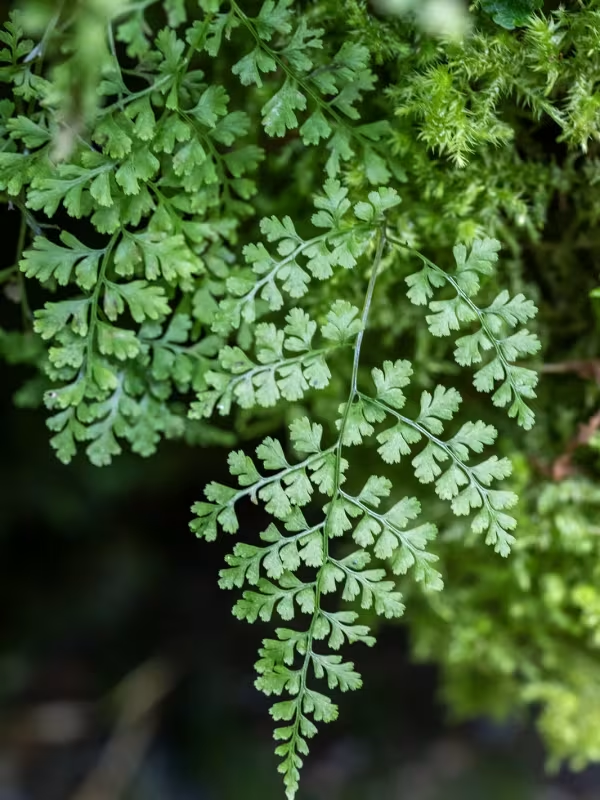
The Sudeten bladder fern (Cystopteris sudetica) is a perennial herbaceous plant belonging to the Cystopteridaceae family. It is a delicate, rhizomatous fern that typically grows in shaded, moist environments.
The plant has a naturally occurring distribution across mountain forest regions in Europe and parts of Asia. It thrives in ancient or old-growth forests, where it relies on stable, humid microclimatic conditions provided by the canopy cover.
Regarding soil requirements, the species prefers loose, humus-rich substrates. It is extremely sensitive to water deficiency and requires constant moisture in both the soil and the ambient air for successful development.
The climate requirements include stable temperatures without extreme heat or frost. The plant is typically found on cool, north-facing slopes, often near forest streams or rocky crevices that provide a consistent moisture supply.
While not a commercial agricultural crop, the Sudeten bladder fern is of high importance for botanical research and nature conservation. Its cultivation is limited to specialized gardens, as it is very difficult to maintain outside of its natural habitat.
Main diseases and pests
Major threats to the species include habitat destruction caused by large-scale logging, which leads to the loss of humidity and the disruption of the stable woodland microclimate.
Fungal diseases are a primary concern when humidity is excessive or airflow is stagnant, potentially leading to rhizome decay and the collapse of the plant structure.
Common garden pests such as slugs and snails are the most significant threat to the vegetative parts of the fern, as they feed on the tender young fronds during the spring growth phase.
The plant also struggles with competition from invasive species that occupy the same forest floor niches and shade out the slow-growing bladder fern.
Conservation status requires that the plant be protected from human interference. No chemical control is recommended; rather, site management should focus on maintaining natural forest cover and hydrological integrity.