
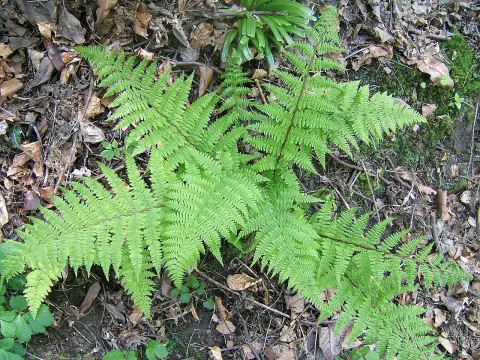
Athyrium
Athyrium
Athyrium, commonly known as the lady fern, belongs to the Woodsiaceae family. These perennials are celebrated for their delicate, arching fronds and are native to moist forests across the Northern Hemisphere. They represent a significant group of plants favored for their ability to thrive in shaded environments.
What the section contains


Athyrium
The primary environmental requirement for Athyrium is consistent shade or partial shade. Direct exposure to sunlight often leads to leaf scorch and desiccation, making these plants unsuitable for open, sunny locations. They perform best when sheltered by trees or large shrubs that provide diffuse light.
Soil quality is paramount for optimal health. Athyrium prefers rich, moist, and well-draining soil with an acidic to neutral pH. Incorporating organic matter, such as leaf mold or compost, is highly recommended to improve soil structure and moisture retention, which are critical for the fern's long-term growth.
Regarding agrotechnology, regular mulching is essential to prevent the roots from drying out. While these plants enjoy humidity, they must not be planted in waterlogged soil, as this can trigger root rot. Watering should be deep and consistent, especially during dry spells throughout the growing season.
In terms of usage, Athyrium is a staple in landscape design for woodland gardens, stream sides, and shaded borders. Their elegant foliage contrasts beautifully with broad-leaved perennials, adding texture and a woodland aesthetic to any garden project.
Athyrium ferns are generally robust, but they can be susceptible to pests such as slugs and snails. These creatures are attracted to the cool, moist environment that ferns provide and can cause significant damage to emerging fronds during the early spring months.
Diseases like root rot are common in conditions with poor drainage. When soil remains saturated for too long, oxygen circulation to the roots is restricted, weakening the plant and making it vulnerable to soil-borne pathogens and fungal infections that result in brown or black fronds.
Maintaining a clean garden bed is a critical preventive measure. Removing dead foliage and debris prevents the buildup of fungal spores and minimizes hiding places for common pests, ensuring a healthier growing environment for the ferns.
Management strategies include manual removal of slugs, the use of environmentally friendly traps, and, if necessary, targeted fungicide applications for severe outbreaks. Always prioritize cultural practices like proper spacing to promote airflow before resorting to chemical treatments.
Consistent monitoring of the plants allows for early detection of issues. By keeping an eye on leaf color and growth rate, gardeners can proactively manage potential threats, ensuring that their Athyrium collection remains healthy and vigorous for years to come.