
Three-leaved Solomon's seal
Maianthemum trifolium
Description
Growing requirements
Maianthemum trifolium, commonly known as the three-leaved Solomon's seal, is a perennial herbaceous plant belonging to the Asparagaceae family. This species is naturally adapted to moist forest environments, sphagnum bogs, and wetlands, primarily found in Northern Hemisphere regions.
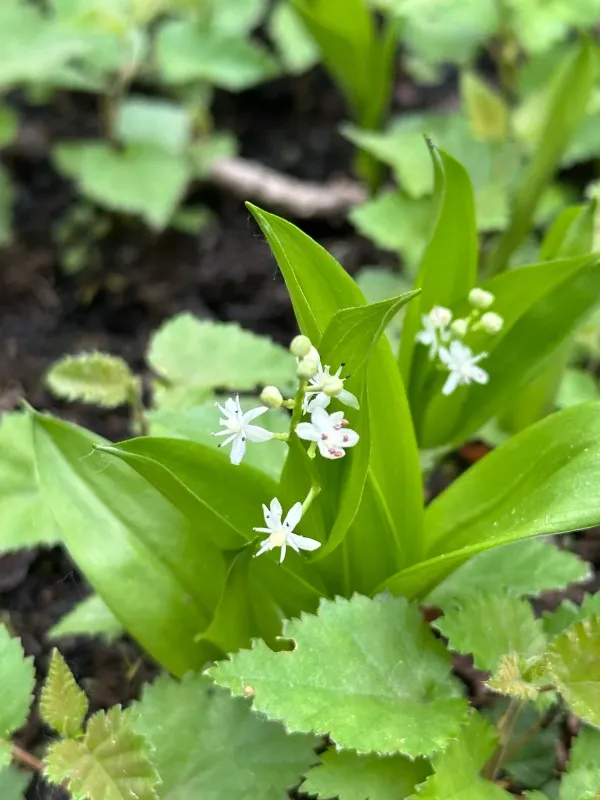
The botanical structure is characterized by a creeping rhizome that allows for efficient vegetative spread. The stem typically bears three distinct leaves, and the inflorescence consists of a raceme of small, delicate white flowers that bloom in the spring and early summer.
Cultivation requirements necessitate an acidic, consistently moist, and organic-rich soil substrate. The plant thrives best in areas mimicking a forest floor, where the soil temperature remains cool and humidity levels are high throughout the growing season.
Light management is crucial, as M. trifolium is a shade-loving species. Direct exposure to full sun causes severe physiological stress, leading to scorched foliage and potential plant death. Partial to full shade conditions are mandatory for successful development.
In agricultural and landscaping contexts, this plant serves as a ground cover for bog gardens or shaded woodland areas. It is valued for its hardiness and ability to thrive in soil conditions that are typically unsuitable for traditional garden flora.
Main diseases and pests
The primary threats to Maianthemum trifolium populations are habitat degradation and changes in hydrological patterns. Drainage projects in wetlands and forests significantly reduce the plant's survival rate by eliminating its necessary water-rich environment.
Root rot and fungal pathogens can affect the plants in poorly aerated, stagnant water conditions. Proper drainage that allows for water movement while maintaining soil saturation is essential for preventing root-based infections in controlled environments.
Herbivory by forest slugs and snails is a common issue for the succulent foliage of the plant. Integrated pest management, focusing on manual removal or physical barriers, is the preferred strategy given the sensitivity of the species to chemical interventions.
Competition from more aggressive, fast-growing herbaceous plants can overtake the slow-spreading rhizomes of the three-leaved Solomon's seal. Regular clearing of invasive competitors is necessary during the establishment phase of the plantation.
Climate change poses a long-term risk, as shifts in temperature and rainfall patterns affect the delicate microclimates required for this species. Sustaining stable environmental conditions remains the most significant challenge for modern cultivation efforts.