
Maianthemum dahuricum
Maianthemum dahuricum
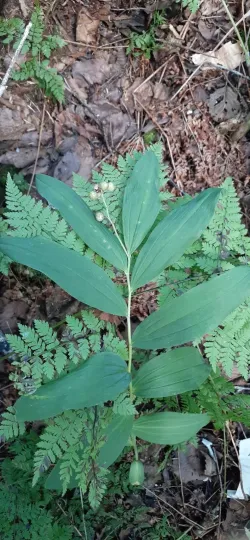
Description
Growing requirements
Maianthemum dahuricum, belonging to the Asparagaceae family, is a perennial herbaceous plant native to the forested regions of the Far East. It is characterized by creeping rhizomes and delicate, foliage-heavy stems, reflecting its adaptation to temperate forest ecosystems.
The cultivation of this crop requires shaded or semi-shaded environments to prevent leaf scorch and soil desiccation. It thrives best in well-drained, nutrient-rich soils that are consistently moist, mirroring the organic-rich composition of forest floor litter.
Regarding climate, Maianthemum dahuricum is highly winter-hardy, capable of surviving harsh cold climates typical of its native range. Agronomic management should focus on maintaining constant moisture levels, as the plant is sensitive to prolonged drought and intense sunlight.
Practical application involves regular mulching with compost or leaf mold, which replenishes soil nutrients and stabilizes temperature around the root zone. Such measures are essential for ensuring vigorous growth and healthy expansion of the rhizome colony over several seasons.
The primary utility of this plant is ornamental, particularly in woodland garden settings where it provides seasonal interest. While its potential for medicinal or commercial use is often discussed, its main value remains its unique aesthetic contribution to shaded landscapes.
Main diseases and pests
Key threats include fungal root rot pathogens, which are typically encouraged by stagnant water and poor soil aeration. To prevent these infections, it is necessary to ensure excellent soil drainage and avoid overhead irrigation during humid weather.
Gastropod pests, such as slugs and snails, can severely impact the plant by feeding on its foliage during the spring and early summer. Implementing barrier protection or manual removal is often necessary to maintain the physical integrity of the leaves throughout the season.