
Maianthemum fuscum
Maianthemum fuscum
Description
Growing requirements
Maianthemum fuscum is a perennial herb belonging to the Asparagaceae family. This species is native to mountainous forest regions, where it grows as part of the understory vegetation in cool and humid environments.
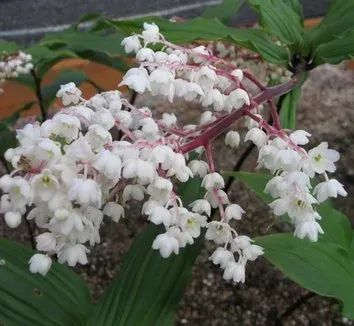
Botanically, it is characterized by its rhizomatous growth habit, which allows it to spread gradually across the forest floor. The foliage is typically simple, and the inflorescences exhibit a distinctive brownish hue, which distinguishes it from more common white-flowering relatives.
The plant thrives in regions with temperate or subtropical mountain climates. It requires consistent moisture and protection from harsh environmental stressors, such as wind and direct afternoon sun, which can dehydrate the plant.
Soil requirements for this species are specific: it prefers organic-rich, acidic to neutral soil that is well-drained yet retains sufficient moisture. In garden settings, it is best suited for woodland areas where it can mimic its natural habitat.
Agrotechnical management is primarily focused on maintaining soil health and preventing competition from invasive weeds. Because it is a delicate shade plant, it is rarely used for large-scale production, serving instead as a specialty botanical specimen.
Main diseases and pests
The primary threats to Maianthemum fuscum involve fungal pathogens that target the root system, especially when soil drainage is inadequate and conditions become stagnant.
Slugs and snails are the most significant pests in garden settings, often damaging the leaves and causing cosmetic and physiological stress to the plant.
Inconsistent watering regimes often lead to root dieback, which is a common problem when the plant is not properly acclimated to its environment.
Overcrowding in container or garden beds can lead to poor air circulation, further increasing the susceptibility of the plant to various foliage diseases.
Proper sanitation, including the removal of decaying organic debris around the base of the plant, is essential to minimize the impact of pests and diseases.