
Canada mayflower
Maianthemum canadense
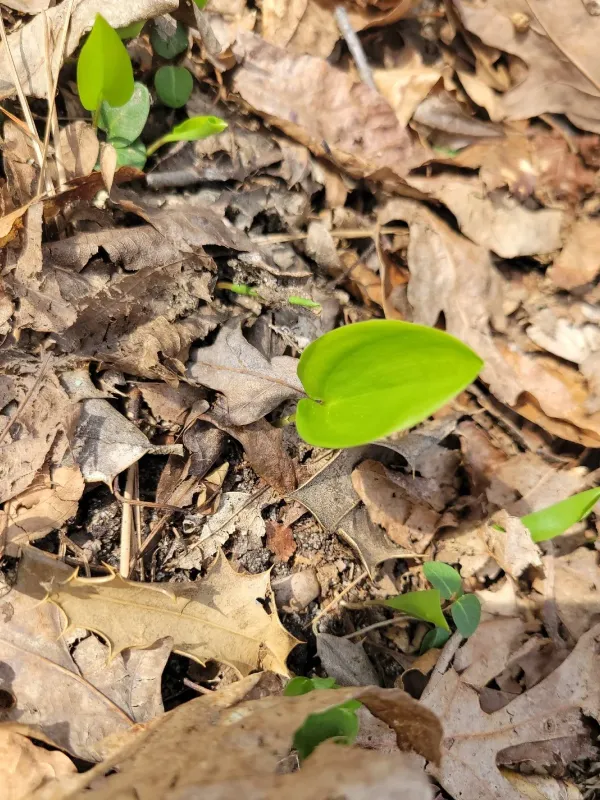
Description
Growing requirements
Canada mayflower (Maianthemum canadense) is a perennial herb belonging to the Asparagaceae family. It is native to the northern and temperate regions of North America, typically inhabiting forest floors.
The plant thrives in cool, moist, and acidic soils rich in organic matter. It is a shade-tolerant species, making it an ideal choice for wooded areas where direct sunlight is minimal and humidity levels remain relatively stable.
Its botanical features include a creeping rhizome that allows the plant to form extensive colonies. Each stem bears a few lanceolate leaves and a terminal raceme of tiny, fragrant white flowers that bloom in late spring and early summer.
In terms of cultivation, it requires a site that mimics its natural woodland environment. Soil should be kept consistently moist but well-drained to prevent root rot. It is exceptionally winter-hardy and requires little maintenance once established.
In horticultural practice, it is widely used as a groundcover for landscaping. It is perfect for wild gardens, shade borders, and woodland themes, providing a lush green carpet that suppresses weeds and improves soil structure.
Main diseases and pests
The primary threats to Canada mayflower include fungal diseases that thrive in overly damp conditions, particularly those characterized by high humidity and poor air circulation within the planting site.
Slugs and snails are the most common pests, as they are attracted to the tender foliage. If left unchecked, these mollusks can rapidly defoliate large patches of the plant, significantly damaging its visual appeal.
Root rot caused by stagnant water or soil compaction can weaken the rhizome system, making the plant susceptible to secondary infections and leading to sparse growth patterns.
Invasion by aggressive perennial weeds can outcompete Canada mayflower for nutrients and space. Proper site preparation and initial weeding are essential to ensure the plant successfully establishes its colony.
Effective management strategies involve ensuring adequate spacing for airflow, maintaining healthy soil structure, and using natural deterrents if slug activity becomes excessive during the active growing season.