
Japanese false lily of the valley
Maianthemum japonicum
Description
Growing requirements
Maianthemum japonicum, commonly known as Japanese false lily of the valley, is a perennial herb belonging to the Asparagaceae family. This species originates from the temperate forests of East Asia, thriving in cool, shaded environments such as the understories of deciduous woodlands in Japan, China, and Korea.
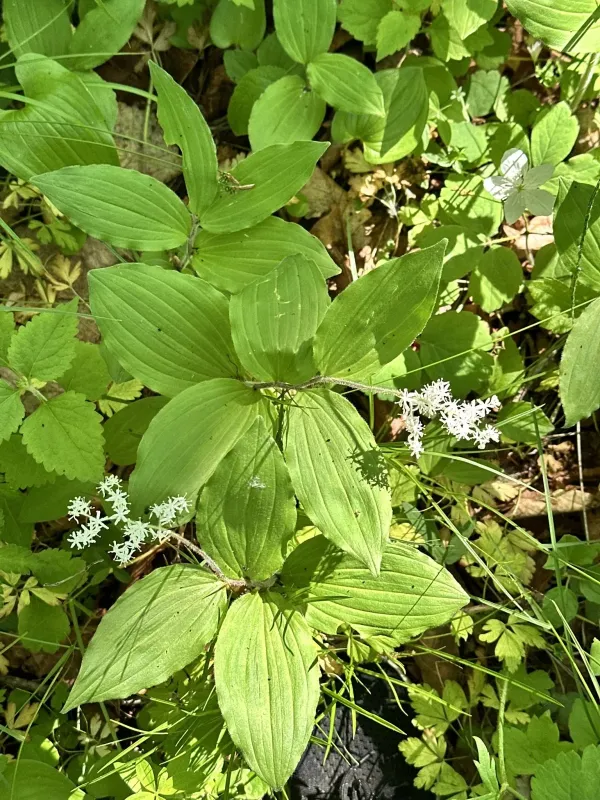
Botanically, it is characterized by its rhizomatous growth habit, which allows it to form dense colonies over time. The plant features alternate, elliptic leaves with parallel venation and an upright stem. In late spring, it produces terminal racemes of small, fragrant white flowers that are highly valued for their delicate, natural aesthetic.
Regarding cultural requirements, the plant demands consistent shade or dappled light. Intense, direct sun is detrimental to its foliage, often resulting in scorching. Soil conditions should mimic a woodland floor: deep, humus-rich, well-draining, and consistently moist. It does not tolerate prolonged drought or heavy, compacted clay soils.
Agricultural techniques for this plant focus on soil management and site selection. Adding organic matter, such as leaf mold or well-rotted compost, ensures the soil remains loose and moisture-retentive. During the growing season, regular watering is essential, especially if natural precipitation is insufficient to keep the soil surface from drying out.
The primary use of Maianthemum japonicum is ornamental. It is an excellent choice for woodland gardens, shade-loving borders, and as a naturalistic groundcover beneath tree canopies. Its ability to thrive in deep shade where many other flowering perennials fail makes it a valuable asset for challenging garden corners.
Main diseases and pests
The health of Japanese false lily of the valley is generally robust provided that site conditions are met. However, poor drainage can lead to root rot. When the soil remains waterlogged for extended periods, pathogens attack the rhizomes, leading to a rapid decline of the entire colony.
Gastropods, particularly slugs and snails, are the most frequent pests. These organisms can quickly consume young leaves, causing significant cosmetic damage. Growers are advised to apply mulch like gravel or wood chips to create a physical barrier or use baits if the infestation levels become critical.
In hot, dry summers, if humidity levels are low, the plant can become susceptible to spider mites. These pests cause a stippled appearance on the leaves, leading to yellowing and early dormancy. Regular overhead misting or ensuring adequate soil moisture is a key preventive strategy.
Fungal leaf spot diseases may occur in areas with stagnant air or excessive overhead moisture during the rainy season. To manage this, ensure adequate spacing between plants to improve airflow and remove any diseased or dead foliage during the annual cleanup in early spring.
Consistent monitoring during the spring emergence phase is recommended to ensure that tender shoots are not damaged. Proper site sanitation—removing debris and dead plant matter—drastically reduces the overwintering capacity of common garden pathogens, ensuring a healthy return of growth each year.