
May lily
Maianthemum bifolium
Description
Growing requirements
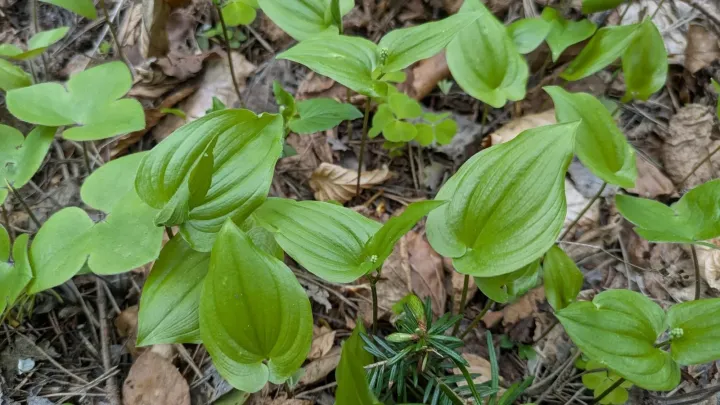
Maianthemum bifolium, commonly known as the May lily or false lily of the valley, is a perennial herbaceous plant belonging to the Asparagaceae family. It is widely distributed across the northern temperate regions, primarily thriving in shaded woodland environments.
The plant features a creeping rhizome system that allows it to spread effectively across the forest floor. Its architecture consists of a slender stem with two distinct cordate-shaped leaves, giving it a unique visual identity within the forest understory.
To cultivate this species, it is essential to replicate woodland conditions. This includes providing rich, acidic, well-draining soil with a high content of leaf mold or compost to maintain moisture throughout the growing season.
Lighting requirements are strict, as the May lily is shade-tolerant and prone to physiological damage under direct sunlight. It thrives best in cool, humid environments with protection from strong winds and intense solar heat.
Agricultural interest in this species is mainly limited to reforestation, conservation, and ornamental gardening in shaded settings. It serves as an indicator of stable forest ecosystems and high-quality soil conditions.
Main diseases and pests
May lily is generally resilient, but excessive water retention in soil can lead to fungal infections, particularly root rot, which is fatal to the delicate rhizomatous structure of the plant.
Invertebrate pests, especially slugs and snails, are the primary threat during the initial leaf expansion phase. These pests graze on the young foliage, which can weaken the plant's photosynthetic capacity.
While the plant is rarely decimated by insects, localized aphid infestations can occur during dry spells, requiring careful monitoring to prevent the spread of viral pathogens via sap-sucking insects.
Maintaining proper spacing and ensuring that the soil is not overly compacted is crucial for preventing the development of diseases caused by lack of aeration in the root zone.
Cultural control, such as removing surrounding weeds and dead vegetation that could harbor pests, is the most effective approach for maintaining healthy patches of Maianthemum bifolium.