
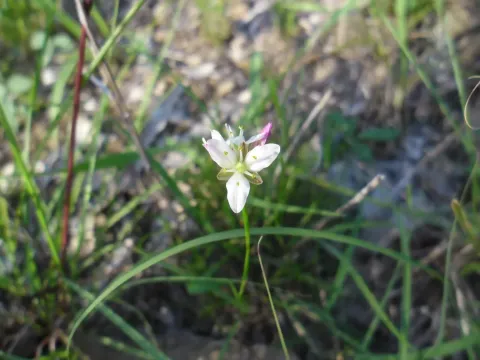
Laxmannia
Laxmannia
Laxmannia is a genus of perennial herbaceous plants belonging to the Asparagaceae family. Native primarily to Australia, these plants are well-adapted to the unique environmental conditions of the continent, thriving in diverse and often harsh habitats.
What the section contains


Laxmannia
Botanically, Laxmannia plants typically form small, tufted clumps or rosettes of narrow, grass-like leaves. This morphological structure is an evolutionary adaptation that allows the plant to withstand arid conditions and limit excessive water loss.
For successful cultivation, Laxmannia requires well-draining, sandy or rocky soil. The plant is highly sensitive to waterlogged conditions, which can rapidly cause root rot and compromise the structural integrity of the plant system.
The cultural requirements emphasize the need for high levels of solar radiation. These plants are sun-loving and perform best when exposed to direct sunlight, showing great tolerance for the high temperatures typical of semi-arid regions.
In terms of хозяйственное usage, Laxmannia is primarily valued as an ornamental species. Its drought resistance and compact, unique foliage make it an excellent choice for xeriscaping and sustainable garden design projects.
The primary threat to the health of Laxmannia is moisture management. Excessive irrigation or heavy soils without proper drainage almost inevitably lead to fungal infections affecting the root system.
In confined growing environments such as greenhouses, poor air circulation creates conditions conducive to powdery mildew and other foliar diseases that can quickly diminish the ornamental value of the plants.
Spider mites are common pests that thrive in the dry conditions preferred by these plants. These insects damage the foliage, causing chlorosis and weakening the overall vigor of the plant specimen.
Weed competition poses a significant challenge during the establishment phase. Because of its relatively slow growth rate, Laxmannia must be protected from aggressive weeds that compete for light and space.
To maintain plant health, it is essential to implement strict moisture controls and ensure consistent airflow. Preventive measures should be prioritized to avoid the onset of soil-borne pathogens during periods of high humidity.