
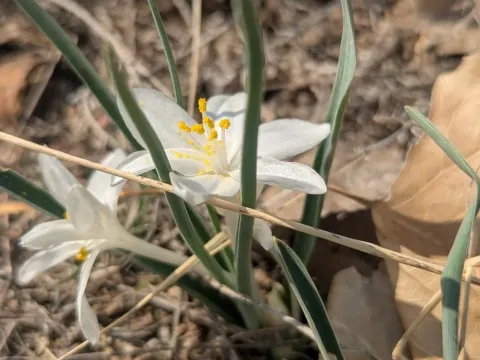
Leucocrinum
Leucocrinum
Leucocrinum, commonly known as sand lily, is typically propagated via seeds which require cold stratification to break dormancy. Sowing should ideally occur in the autumn to expose seeds to winter temperatures.
What the section contains

Leucocrinum
Seeds are placed in well-drained, porous media that mimics their native sandy habitat. Consistent but not excessive moisture is required until germination, which usually happens in the spring.
Growth is slow during the initial stages, as the plant prioritizes building a strong rhizome system over foliage development. Proper spacing is essential to ensure adequate airflow and prevent overcrowding.
Vegetative division is another method for propagation, performed during the summer dormant phase. The rhizomes must be carefully separated to retain as many rootlets as possible on each segment.
Once divided, rhizomes should be planted at the same depth as the parent plant. Immediate establishment in a well-drained medium is crucial for the recovery of the new divisions.
Leucocrinum belongs to the Asparagaceae family and is native to the western United States. It is highly adapted to arid environments, favoring full sun exposure for optimal growth and flowering.
Soil requirements are strict: excellent drainage is non-negotiable. The plant thrives in sandy or rocky soils that do not hold excess water, which could lead to fatal root rot.
Climate preferences involve a distinct wet spring followed by a dry, hot summer. The plant naturally dies back to the ground after flowering as it enters dormancy, requiring minimal moisture during this time.
The species is remarkably winter-hardy, provided the soil remains relatively dry during the dormant months. Freezing temperatures combined with saturated soil are the primary causes of winter kill.
Fertilizer application should be avoided, as Leucocrinum is adapted to nutrient-poor soils. Excessive nitrogen can lead to rapid decay of the rhizome and reduce the quality of the white, fragrant blossoms.
The most significant threat to Leucocrinum is root rot, primarily caused by fungal pathogens that flourish in overly moist environments. Maintaining a dry soil profile is the most effective preventative measure.
Insects like grubs can feed on the underground rhizomes, potentially destroying the root structure. Regular scouting of the soil surface near the plant base is recommended to identify signs of pest activity.
Gastropods such as slugs can severely damage the tender spring shoots. Physical barriers, such as copper tape or coarse gravel mulching, are effective at deterring these pests from reaching the foliage.
Systemic viral infections can impact plant vigor and flower production. Because there are no cures for viral diseases in perennials, affected plants should be promptly removed and destroyed to protect others.
Air circulation is vital to preventing the onset of leaf blights and other opportunistic fungal infections. Placing the plants in an open, breezy location significantly reduces the risk of disease transmission.