
Koch's star-of-Bethlehem
Ornithogalum kochii
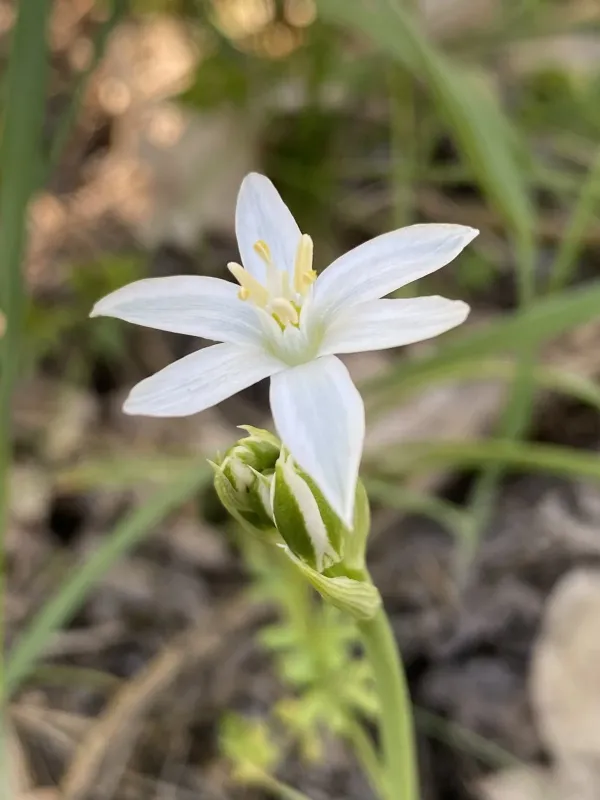
Description
Growing requirements
Koch's star-of-Bethlehem (Ornithogalum kochii) is a perennial bulbous species belonging to the Asparagaceae family. Native to steppe environments, it has evolved as an ephemeroid that completes its vegetative cycle during the favorable moisture conditions of spring.
This species requires full sun exposure to thrive and produce its characteristic flowers. Adequate light is essential for the bulb to store enough energy for dormancy, making placement in open garden areas highly recommended for successful cultivation.
Soil conditions should favor excellent drainage, as the bulbs are highly susceptible to rot when exposed to stagnant water. Sandy or loamy soils with a neutral pH provide the best structural environment for root development and bulb health.
The climate requirements reflect its natural habitat, favoring cool, moist springs followed by hot, dry summers. Temperature fluctuations during the early growth stages are well-tolerated, provided the soil does not freeze solid after shoots emerge.
Cultural management involves minimal disturbance after planting. The bulbs should be spaced adequately to ensure proper aeration, which prevents the build-up of humidity around the foliage and reduces the risk of developmental issues.
Main diseases and pests
Fungal pathogens, particularly Fusarium and Botrytis, are the primary threats to the species. These diseases usually emerge due to poor drainage or excessive humidity, leading to the rapid decay of the bulb and root system.
Pests such as bulb mites and various aphids can cause significant stress to the plant during the active growing season. Regular monitoring and the application of appropriate systemic insecticides can prevent severe infestations.
Effective management begins with preventative treatment of bulbs before planting, using fungicides to ensure clean stock. Ensuring the soil is free of debris from the previous season further minimizes the survival of harmful spores.
Rodents represent a seasonal threat, often consuming bulbs during the winter dormancy period. Providing physical barriers or using deterrents around the planting site is necessary to maintain a healthy population density.
The importance of site sanitation cannot be overstated, as removing infected plant parts is essential to stop disease transmission. Maintaining a strict schedule for monitoring ensures that any initial signs of distress are addressed immediately.