
Ledebouria
Ledebouria Roth
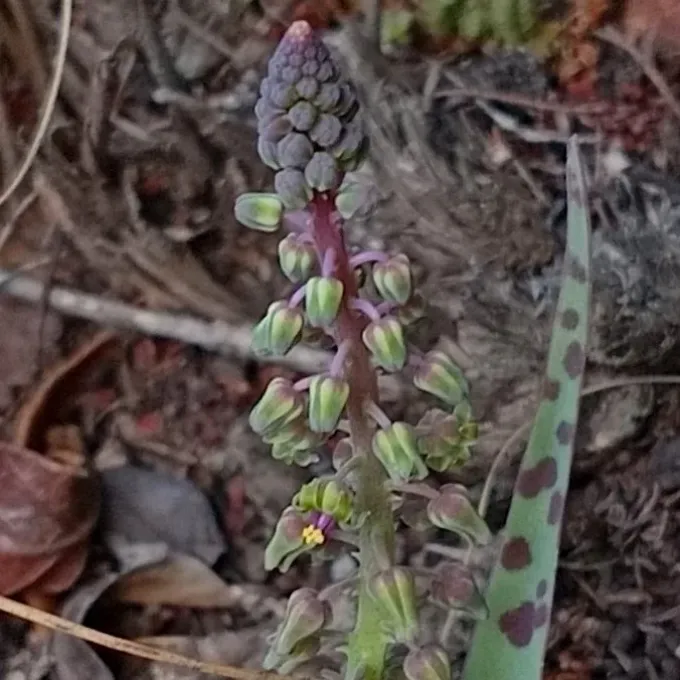
Description
Growing requirements
Ledebouria is a genus of bulbous perennial plants belonging to the family Asparagaceae. These plants are widely recognized for their attractive, mottled foliage and distinct, small bell-shaped flowers that appear in early spring or summer.
Originating from the arid and semi-arid regions of Southern Africa, these plants have evolved specialized bulb structures to store water. This adaptation allows them to survive successfully in environments characterized by irregular rainfall and poor soil quality.
The cultivation of Ledebouria requires a well-draining, gritty soil mix, similar to those used for cacti and succulents. Providing proper drainage is critical to prevent the bulb from rotting, which is the most common cause of failure in domestic cultivation.
Ledebouria thrives in bright, indirect light, which is essential to maintain the vibrant color patterns on the leaves. When grown in low-light conditions, the plants may lose their variegation and become elongated, negatively impacting their aesthetic value.
Commercially, Ledebouria is highly valued in the ornamental plant trade. Due to its compact nature and low maintenance requirements, it serves as an excellent candidate for miniature indoor gardens, rockeries, and controlled conservatory environments.
Main diseases and pests
The primary threats to Ledebouria are fungal infections resulting from overwatering or poorly drained media. Once a fungal pathogen affects the bulb, it can spread rapidly, leading to the total collapse of the root system and plant death.
Insect pests, such as mealybugs and spider mites, pose a significant risk, especially in dry indoor conditions. These pests typically cluster in leaf axils or on the underside of leaves, causing structural damage and reducing the overall health of the specimen.
Effective management of diseases starts with a strictly controlled watering schedule. The soil should be allowed to dry out significantly between watering sessions, mirroring the natural climatic cycles of their native African habitats.
Pest control should involve the use of appropriate insecticidal soap or systemic chemicals. Early detection is key to controlling infestations, so regular inspection of the plants is recommended to identify any signs of pest activity or stress.
During the dormant winter season, it is crucial to reduce water significantly and keep the plants in a cool, bright location. This resting period is essential to bolster the plant's natural immune system and ensure vigorous growth in the coming spring.