
Laxmannia grandiflora
Laxmannia grandiflora
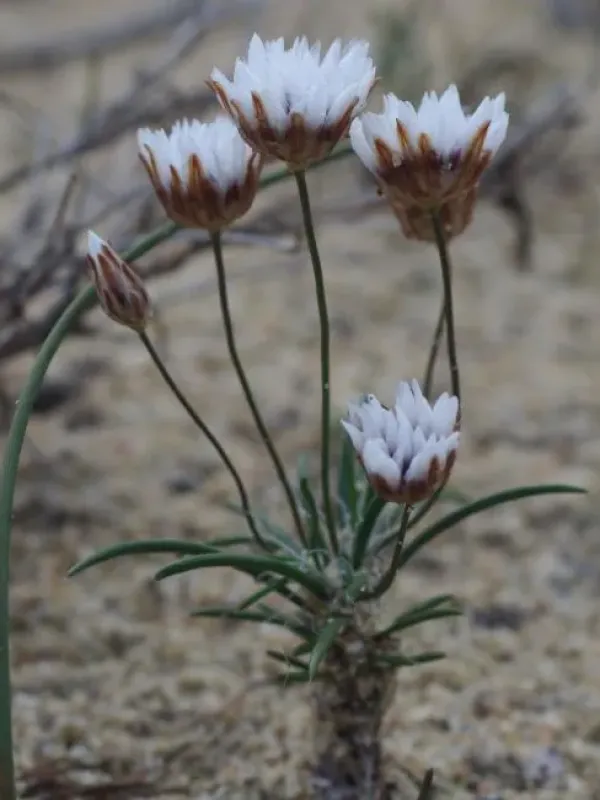
Description
Growing requirements
Laxmannia grandiflora is a distinct perennial plant species belonging to the Asparagaceae family. Originating from Australia, it is known for its grass-like foliage and clusters of flowers, making it an interesting subject for specialized horticulture.
The plant thrives in well-draining, sandy, and nutrient-poor soils. It is highly sensitive to waterlogging, which necessitates the use of a coarse, aerated substrate, similar to those recommended for desert succulents or alpine plants.
In terms of light exposure, it requires bright, direct sunlight for most of the day. Insufficient lighting levels result in poor growth, loss of structural integrity, and failure to produce the characteristic flower heads that the species is known for.
Climate management is crucial for the success of this crop. It prefers moderate, dry climates and should be protected from prolonged freezing temperatures. In regions with harsh winters, it must be grown in containers to allow for indoor protection.
The agricultural practice for this species focuses primarily on water management. Watering should be sparse, allowing the soil to dry out completely between irrigation sessions to mimic the periodic rainfall patterns of its native habitat.
Main diseases and pests
The primary threats to this plant are fungal pathogens resulting from overwatering or high humidity. Root rot is the most common issue encountered by growers who do not strictly follow the dry-growth requirements.
Pests such as mealybugs and spider mites are known to infest the plant, especially when it is stressed by poor air circulation or environmental conditions that do not match its natural ecological niche.
Preventive maintenance includes keeping the foliage dry during irrigation and ensuring that the pots have sufficient drainage holes to prevent the accumulation of stagnant water in the root zone.
In case of pest infestation, the use of targeted systemic treatments is recommended, provided that the plant is not currently in a sensitive stage of flowering, as the blooms are delicate.
Finally, keeping a clean growing environment by removing debris and ensuring consistent airflow will significantly reduce the risk of secondary infections and pest colonization.