
Laxmannia gracilis
Laxmannia gracilis
Description
Growing requirements
Laxmannia gracilis is a perennial herbaceous plant belonging to the Asparagaceae family. It is recognized for its delicate, grass-like appearance, featuring narrow leaves arranged in dense basal rosettes, which makes it a distinctive choice for specialized ornamental collections.
The native habitat of this species is Australia, where it thrives in well-drained, nutrient-poor sandy soils. This biological background dictates its preference for open environments and high levels of exposure to natural light during the growing season.
To ensure optimal growth, cultivation should mimic these natural conditions by providing bright, indirect light. While the plant is adapted to arid environments, it requires a balanced water schedule to maintain its lush appearance without causing any waterlogging in the substrate.
Choosing the right soil mix is essential for the health of Laxmannia gracilis. A high-quality, well-draining potting mix containing perlite or coarse sand is recommended to promote root health and prevent oxygen starvation in the root zone.
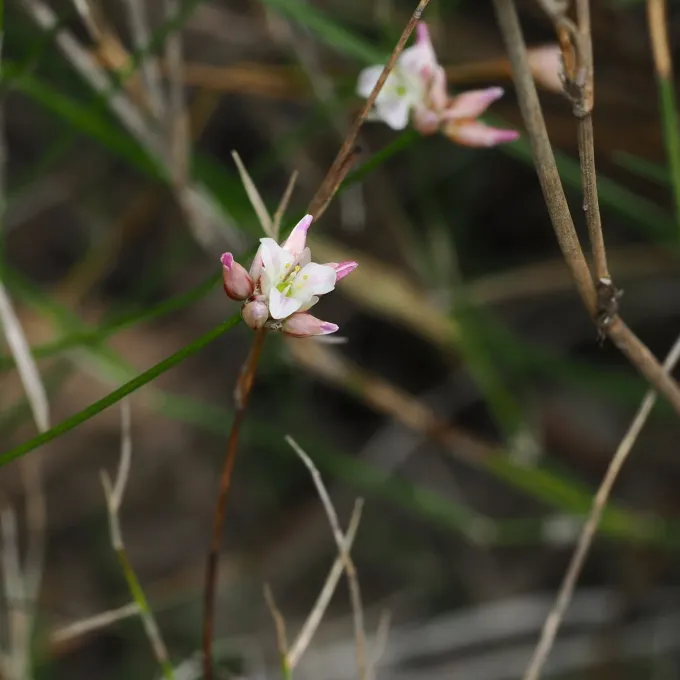
The aesthetic value of the plant lies in its unique inflorescences. Small white or pinkish flowers appear above the foliage, adding a refined touch to rock gardens or greenhouse displays. Proper temperature control is vital, as the plant prefers moderate climates with stable conditions.
Main diseases and pests
Root rot, induced by overwatering and poor drainage, remains the primary threat to the health of Laxmannia gracilis. When the roots remain saturated for extended periods, they become susceptible to soil-borne fungal pathogens that can lead to rapid decay.
Spider mites represent a significant challenge in greenhouse settings, particularly during winter months when ambient humidity is lower. These pests can rapidly colonize the foliage, causing significant damage if regular inspections and appropriate control measures are neglected.
Mealybugs are another common nuisance that can hide within the tight leaf rosettes. These pests extract sap from the plant, weakening it over time and providing an entry point for secondary infections or mold growth on the sugary residue left behind.
Inadequate airflow can also negatively affect the plant's condition, promoting the accumulation of moisture and creating an ideal environment for diseases. Good ventilation is key to maintaining a healthy canopy and preventing the spread of opportunistic fungi.
Regular maintenance, including removing dead foliage and monitoring for early signs of infestations, is necessary to keep the plant vigorous. If pest pressure becomes high, targeted systemic or contact insecticides may be required according to best agricultural practices.