
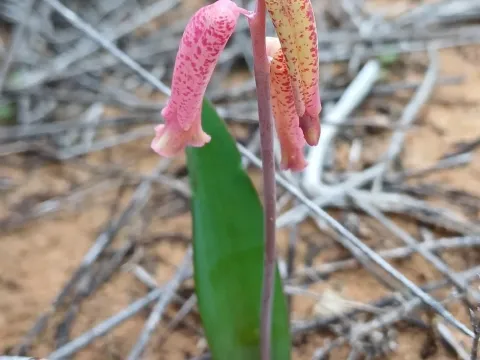
Lachenalia
Lachenalia Jacq. f. ex Murr.
Planting Lachenalia bulbs is ideally performed in late summer or early autumn, which corresponds to the start of the plant's growing season. In professional cultivation, the months of August and September are typically chosen to ensure optimal rooting before flowering.
What the section contains

Lachenalia
Select firm, disease-free bulbs for planting. The depth of planting should generally be between 3 and 5 centimeters, ensuring sufficient soil coverage to protect the developing shoot while maintaining a spacing of 5 to 10 centimeters between individual bulbs.
A well-draining, lightweight soil medium is essential for successful establishment. Incorporating horticultural grit or perlite into the potting mix helps to prevent water stagnation, which is a major risk factor for bulb health.
Containers must have adequate drainage holes. In commercial nursery settings, planting bulbs in groups within a single container is a standard practice, which results in a high-density, visually appealing display during the blooming period.
Following the initial planting, a light watering is beneficial, followed by moving the containers to a cool, bright location. This encourages the development of a strong root system before the foliage emerges.
Lachenalia is a genus within the Asparagaceae family, native to South Africa. The plants thrive in cool environments, ideally with temperatures ranging between +15 and +18 degrees Celsius, as excessive heat can lead to premature senescence.
Lighting is a critical factor for high-quality production. Given that the flowering phase occurs during shorter winter days, providing supplemental artificial light is often necessary to prevent etiolation and ensure sturdy, vibrant flower spikes.
The soil should be neutral or slightly acidic and rich in organic matter. A recommended substrate mixture consists of loam, leaf mold, and sand, which provides the necessary aeration and moisture-retention balance required for healthy bulb development.
Watering must be measured and precise. Allowing the substrate to dry slightly between watering events is crucial, as consistently waterlogged soil promotes fungal decay and root rot, particularly in the cooler, low-light months of winter.
Nutrient requirements are modest; balanced liquid fertilizers with a lower nitrogen content are preferred. High nitrogen levels during the active growth phase can lead to excessive foliage development at the expense of flower spike quality.
The primary threats to Lachenalia crops include various fungal pathogens such as Fusarium and Penicillium, which cause root and bulb rot. These are almost always exacerbated by poor soil drainage and high humidity levels.
Insect pests, particularly spider mites, thrips, and aphids, pose significant risks in indoor cultivation environments. These pests thrive in dry air, necessitating regular scouting and the use of appropriate insecticidal treatments when populations reach threshold levels.
Viral diseases, including mosaic virus, represent a serious threat as there is no cure once a bulb is infected. These viruses are typically transmitted by insect vectors, making the control of pests a vital part of viral disease management.
Strict hygiene practices, including the sterilization of tools and the use of clean potting media, are fundamental for disease prevention. Early detection and the removal of symptomatic plants can prevent the spread of localized infections.
Effective prophylactic care involves providing good air circulation around the plants, which reduces the humidity levels that favor fungal growth, thereby maintaining a healthier environment for the entire crop.
Harvesting for the cut-flower market involves cutting the stems when the lower florets begin to show color. This stage of maturity ensures a long vase life and high consumer satisfaction for the floral industry.
Following the conclusion of the flowering season, the plant enters a period of dormancy. During this phase, it is important to gradually reduce irrigation as the foliage naturally dies back, allowing the bulbs to accumulate energy for the next cycle.
Once the foliage is completely withered, the bulbs are lifted from the soil, cleaned, and carefully dried in a dark, well-ventilated location. Proper cleaning ensures that soil-borne pathogens are not carried over during the storage phase.
Storage should be conducted at cool temperatures, typically between +10 and +12 degrees Celsius. Maintaining these conditions prevents the bulbs from dehydrating or breaking dormancy too early, ensuring success for the next growing season.
Beyond cut flowers, Lachenalia is highly valued as a potted plant. Its unique inflorescence structure and ability to bloom during the winter months make it a profitable niche product for nurseries and garden centers looking to diversify their seasonal offerings.