
Broad-leaved grape hyacinth
Muscari latifolium
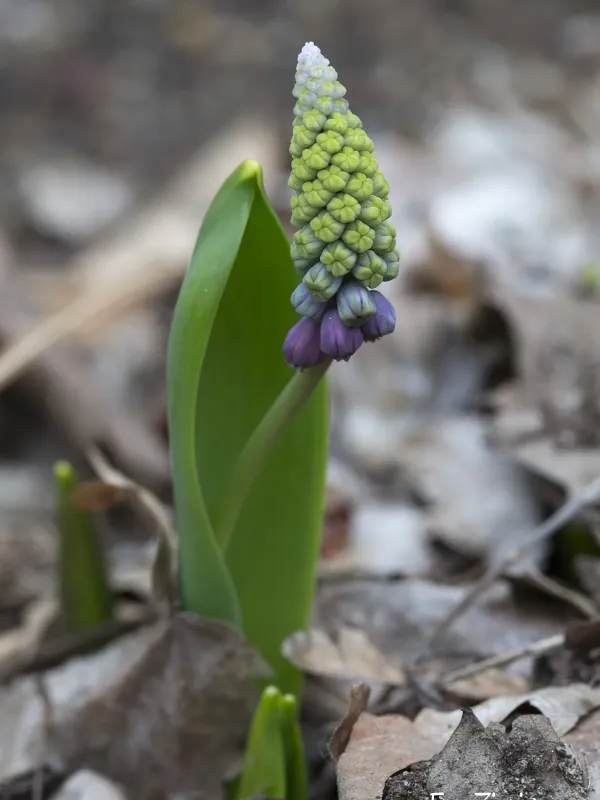
Description
Sowing dates
Planting of Muscari latifolium bulbs is best performed from late August through September to ensure the root system establishes itself before the first frost.
Bulbs should be planted at a depth of approximately 7 to 10 centimeters, depending on the individual bulb size and the structural quality of the garden soil.
Space the bulbs about 10 to 15 centimeters apart to provide sufficient room for development and to prevent the overcrowding that leads to nutrient competition.
This bulbous plant requires a period of cold temperatures during the winter to trigger successful spring growth, making autumn planting essential for development.
In regions experiencing harsh winters, applying a light layer of mulch helps insulate the soil and protects the emerging buds from sudden temperature fluctuations.
Growing requirements
Muscari latifolium is a member of the Asparagaceae family, native to the alpine and rocky regions of Turkey, which dictates its specific environmental needs.
The plant thrives in full sun but can tolerate partial shade, which often extends the blooming period during the warmer days of early spring.
Soil conditions must be well-drained, as waterlogging is the primary cause of bulb rot and failure in this species during the dormancy period.
While the plant is relatively undemanding, it prefers a neutral to slightly alkaline soil composition to optimize the uptake of essential micronutrients.
Regular watering is recommended during the active growth phase, but the soil should remain relatively dry during the dormant summer months to ensure bulb maturity.
Main diseases and pests
The onion mosaic virus is a significant threat to this culture, causing distorted leaf growth and a general decline in the plant's overall vigor and beauty.
Excessive soil moisture often results in the development of Botrytis, or gray mold, which attacks the bulb and stems, potentially destroying the entire colony.
Common pests include various species of bulb mites, which feed on the basal plate of the bulb, eventually causing the plant to wither and collapse.
To maintain a healthy crop, growers should implement preventative fungicide treatments for bulbs prior to planting and maintain good field sanitation practices.
Monitoring for aphid infestations is crucial, as these insects act as vectors for viruses that are difficult to eradicate once they infect the bulb stocks.
Harvesting
Harvesting of the bulbs is conducted once the foliage has completely turned yellow and dried, indicating that the bulb has entered its mandatory summer rest phase.
After excavation, the bulbs must be cleaned of residual soil, carefully sorted, and dried in a well-ventilated, shaded area to prevent fungal proliferation.
Store the harvested bulbs in dry conditions at room temperature, around 18–20 degrees Celsius, ensuring they remain dormant until the next autumn planting season.
Periodic dividing of the bulb clusters is recommended every three to four years to prevent soil exhaustion and to maintain high-quality flower production.
When handling the bulbs, care should be taken to avoid mechanical damage to the outer tunic, as cuts and bruises can serve as entry points for pathogens.