
Brodiaea coronaria
Brodiaea coronaria
Description
Growing requirements
Brodiaea coronaria, commonly known as harvest brodiaea, is a bulbous perennial belonging to the Asparagaceae family. It is native to the western regions of North America, typically found in open meadows and grassland habitats.
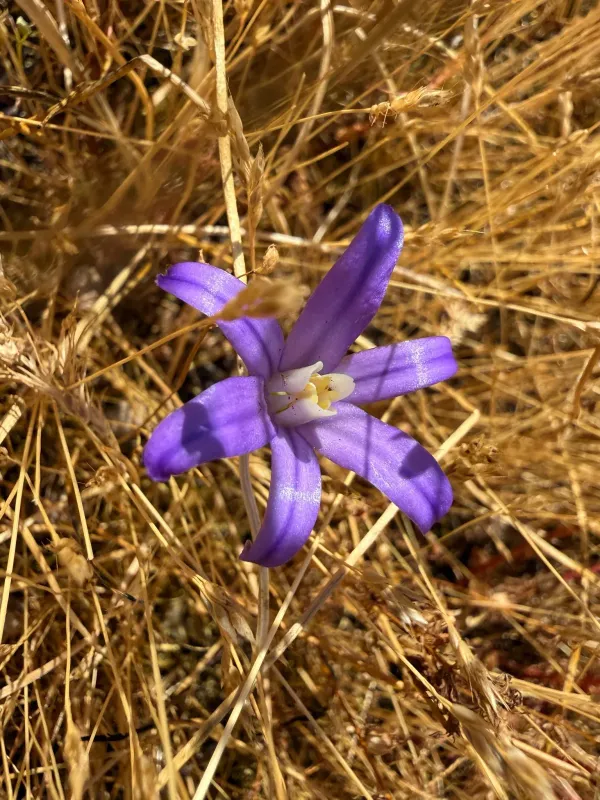
Botanically, the plant is characterized by thin, grass-like leaves and elegant, violet-blue, funnel-shaped flowers arranged in a cluster at the top of a stiff stem. The plant produces a small corm that acts as an energy reserve during its dormant period.
The plant requires full sun exposure to flourish. It thrives in well-drained, gritty soils, mimicking the conditions of its natural environment. Heavy, clay-based soils that retain moisture are generally unsuitable unless amended with sand or gravel.
Cultivation success depends heavily on drainage. In areas with high rainfall, it is recommended to plant the corms on slopes or in raised beds to ensure that water does not accumulate around the roots.
Temperature management is also crucial; the plant prefers cool to moderate growing conditions and a dry summer rest period. During winter, it requires protection from severe frost if grown in pots or open gardens in colder temperate zones.
Main diseases and pests
The primary threat to Brodiaea coronaria is bulb rot, which is triggered by excess moisture and poorly aerated soils. Ensuring perfect drainage is the best prophylactic measure against this fungal issue.
Soil-dwelling pests, such as wireworms and various types of larvae, pose a significant threat to the corms. They can tunnel into the bulbs, causing rapid decay or secondary infections.
Aphids may occasionally attack the tender buds and young stems during the flowering season. While rarely fatal, heavy infestations can significantly weaken the plant's overall vigor.
Slugs and snails can also damage emerging spring foliage. Utilizing physical barriers or organic baits around the planting site is recommended in areas with high slug populations.
To maintain a healthy crop, growers should regularly monitor for signs of chlorosis or leaf spots, removing any affected plant material to prevent the spread of fungal spores across the garden bed.