
Calibanus
Calibanus
Description
Growing requirements
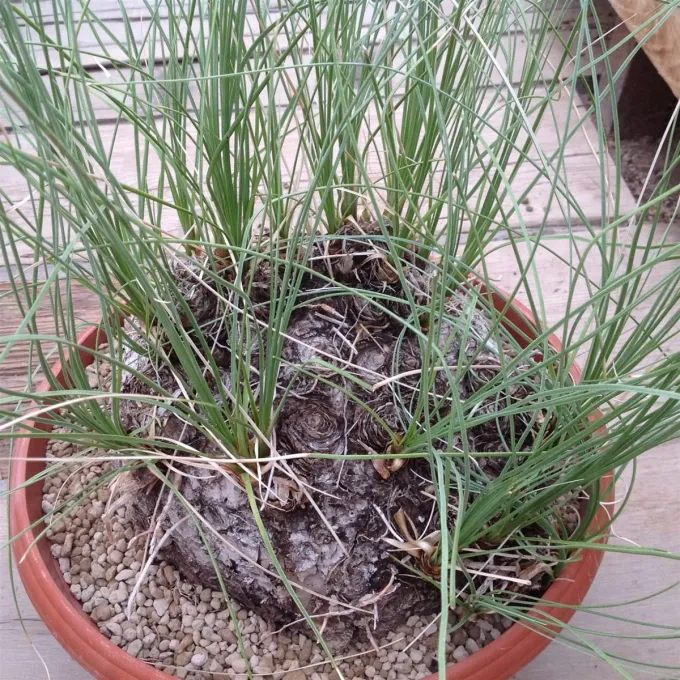
Calibanus is a genus of succulent plants within the Asparagaceae family, primarily native to the arid regions of Mexico. It is widely recognized for its large, woody, cork-like caudex that acts as a storage organ, topped with long, grass-like leaves that create an architectural appearance.
The success of growing Calibanus depends heavily on a highly porous and mineral-based substrate. Soil mixtures containing coarse sand, pumice, and crushed granite are essential to ensure rapid drainage, as this plant is extremely intolerant of soggy or dense soil conditions.
Light intensity requirements are very high for this species; it requires full sun or very bright indirect light to maintain its compact growth habit and healthy foliage. In indoor settings, consistent light exposure is necessary to prevent etiolation and structural weakness.
Watering must be strictly regulated, following the "soak and dry" method with long intervals during the growing season and almost complete cessation during the winter dormancy period. The plant's ability to store water in its caudex allows it to survive extended droughts, but it will not survive overwatering.
Although it does not hold agricultural value in terms of food production, Calibanus is a highly valued ornamental plant in specialized nurseries. Its slow growth rate and unique morphological features make it a prized specimen for collectors and botanical display gardens.
Main diseases and pests
The primary threat to the health of Calibanus is fungal rot, specifically root and caudex rot caused by excess soil moisture. Once rot sets in, the woody tissues of the caudex become soft and discolored, often leading to total loss of the specimen if not addressed immediately.
Pests such as mealybugs and scale insects are common intruders that hide in the tight clusters of the foliage base. These pests damage the plant by sucking sap and can facilitate the growth of sooty mold, which impairs the plant's ability to photosynthesize properly.
Spider mites can become an issue during hot, dry periods with poor air circulation. They cause visible scarring and yellowing of the leaves, which significantly diminishes the aesthetic and overall biological vitality of the plant.
Bacterial infections can enter the plant through micro-abrasions on the caudex surface. Proper hygiene, such as cleaning cutting tools and using sterile potting media, is crucial for preventing the introduction of pathogens during repotting or pruning.
Environmental stress, such as sudden shifts in temperature or humidity, can also make the plant susceptible to secondary infections. Maintaining a stable, dry, and well-ventilated environment is the best strategy for long-term health and disease prevention.