
Camassia hybrids
Camassia hybrids
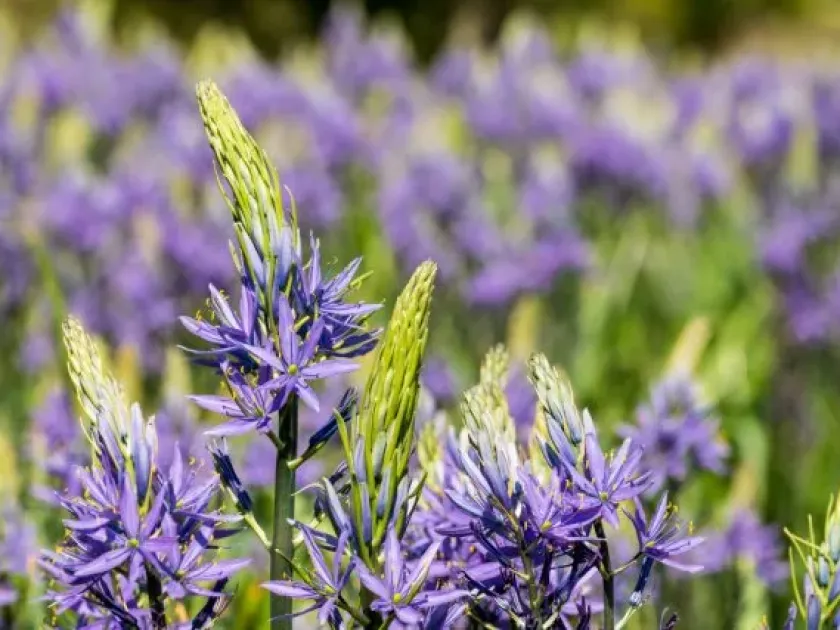
Description
Sowing dates
In temperate climates, the planting of Camassia hybrid bulbs is usually carried out in the autumn, specifically in September or October, before the onset of persistent frosts.
It is essential to plant the material 3 to 4 weeks before the ground freezes so that the bulbs can establish root systems without starting premature top growth during a warm autumn.
The planting depth for the bulbs is typically between 10 and 15 centimeters, depending on the bulb size and the specific soil texture of the garden bed.
Spring planting, while less recommended for this culture, often leads to poorer adaptation, causing the plants to bloom late or fail to produce flower spikes entirely.
When planting in groups, a distance of 15 to 20 centimeters between individual bulbs should be maintained to ensure proper air circulation and root development.
Growing requirements
Camassia hybrid is a perennial bulbous plant belonging to the Asparagaceae family, developed through the selective breeding of various North American native species.
The culture thrives in well-lit areas but can tolerate partial shade, which is particularly beneficial during the intense midday heat in warmer climate zones.
The soil must be moisture-retentive but must feature excellent drainage, as standing water is detrimental and often leads to the rotting of the bulbs.
The plants perform best in humus-rich loamy soils with a neutral or slightly acidic pH level, which encourages vibrant flowering in the late spring months.
Throughout the active growing season, Camassia requires consistent moisture, especially during dry springs; however, irrigation should be reduced significantly once flowering ends.
Main diseases and pests
Excessive soil moisture during the winter dormancy period remains the primary threat to Camassia, often resulting in the rapid decay of the basal plate of the bulb.
Regarding insect pests, larvae of the onion fly are frequently observed causing damage to the underground parts of the plant, which can lead to rapid plant decline.
Small rodents, such as field mice, may feed on the bulbs, so the use of protective mesh or cages is highly recommended in areas prone to high pest populations.
Fungal infections, such as gray mold (Botrytis) and Fusarium rot, are common problems that arise in conditions of poor ventilation or poor horticultural practices.
To prevent the spread of diseases, it is vital to perform a thorough annual inspection of bulbs and discard any damaged or softened material before replanting or storage.