
Camassia scilloides
Camassia scilloides
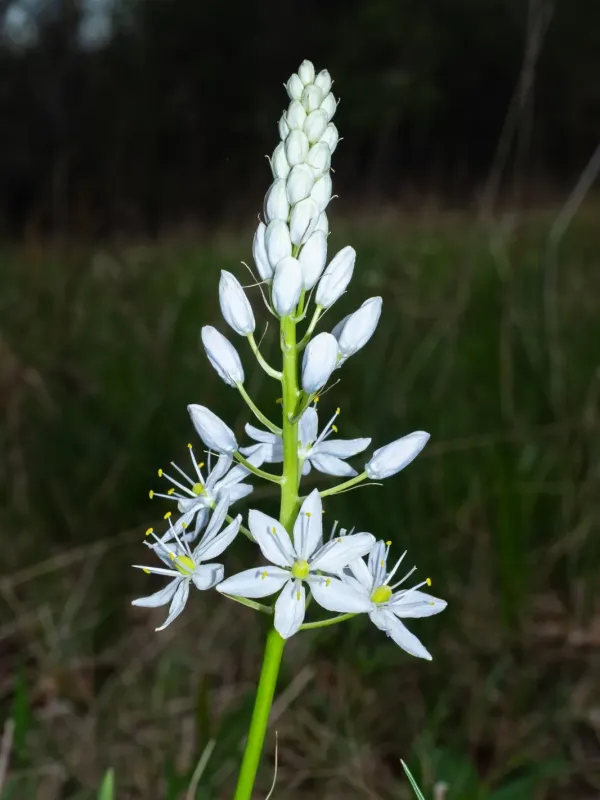
Description
Sowing dates
Planting of Camassia scilloides bulbs should ideally occur in the autumn, allowing the roots to establish well before the ground freezes. This timing is critical for the plant to gain sufficient energy for spring blooming.
The planting depth is typically set at about 10–12 centimeters. Proper spacing of 15 centimeters between bulbs ensures that each plant receives adequate nutrients and avoids overcrowding during the growing season.
When propagating via seeds, sow them in a well-prepared seedbed in the fall. Patience is required, as the seedlings develop into flowering-sized bulbs over several seasons of steady growth.
Select a location that allows for natural growth patterns, avoiding areas where the soil compacts easily. Loose, airy soil encourages the bulb to expand and form healthy offshoots.
Ensure the planting site is cleared of perennial weeds before installation, as competition during the early spring phase can significantly reduce the vigor of young Camassia plants.
Growing requirements
Camassia scilloides belongs to the Asparagaceae family and is native to the central and eastern regions of North America. It thrives in temperate conditions with distinct seasonal shifts.
The culture requires rich, moisture-retentive soil that remains damp during the spring growth phase. However, it must also have excellent drainage to prevent the bulb from rotting during dormant periods.
The plant performs best in full sun to partial shade. In areas with intense heat, partial shade is preferred to prevent the foliage from drying out prematurely after the flowering period.
Irrigation management is essential: provide consistent water throughout the active growth period, but reduce watering as the leaves begin to yellow to allow the plant to enter its summer dormancy safely.
Organic fertilizers, such as well-rotted compost, should be incorporated into the soil during planting to support robust floral development in subsequent years.
Main diseases and pests
The most significant threats to this bulb crop are fungal pathogens, specifically those causing basal rot and gray mold, which are often exacerbated by poor drainage and excessive winter wetness.
Pests such as bulb mites and onion maggots can severely weaken the plant by feeding on the bulb scales, leading to stunted growth and potentially fatal damage to the root system.
Slugs and snails are common pests that feed on the soft, emerging spring foliage. Protection measures, such as organic barriers or baiting, are necessary in moist spring climates.
- Use high-quality bulbs free from soft spots or blemishes.
- Improve soil structure with coarse sand or organic matter for better drainage.
- Apply preventative fungicide treatments if local history suggests high disease pressure.
Regular monitoring of the site during the early growing stages is recommended to identify and manage pest populations before they cause widespread damage to the planting.