
Brodiaea
Brodiaea
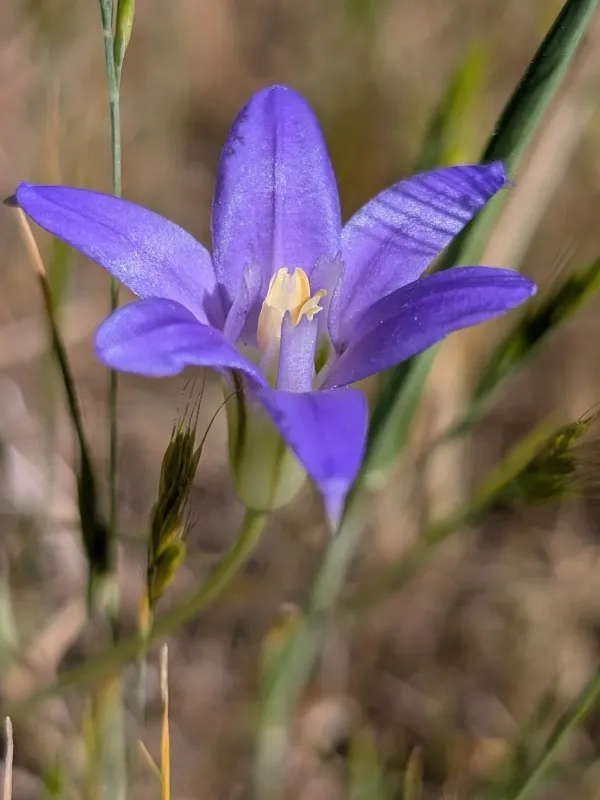
Description
Sowing dates
Brodiaea bulbs are typically planted in the autumn, allowing the plants to establish a robust root system before the onset of winter dormancy. In colder climates, early spring planting is an alternative, though it may delay the flowering stage.
The bulbs should be placed in well-prepared soil at a depth of 10–15 centimeters. Spacing is a critical factor for crop health; a distance of 10–12 centimeters between individual bulbs ensures adequate aeration and prevents overcrowding.
For optimal drainage, growers are advised to place a layer of horticultural grit or coarse sand at the bottom of the planting furrow. This practice is essential for preventing basal rot, which is common in poorly drained substrates.
When grown from seeds, the material requires a period of cold stratification to break dormancy. Given the slow development of plants from seeds, this method is primarily utilized by professional breeders rather than for large-scale production.
Ensuring the soil is moist but not saturated during the initial planting phase is crucial for success. After planting, applying a light layer of mulch can help regulate soil temperature and conserve essential moisture.
Growing requirements
Brodiaea is a genus of bulbous perennials belonging to the Asparagaceae family, native to the western regions of North America. It is highly valued in the agricultural sector as a premium crop for the cut flower industry.
This crop thrives in sunny, open locations that are shielded from strong winds, which can damage the slender flower stems. While it prefers full sun, light shade can be beneficial in regions experiencing extremely intense summer heat.
The ideal soil for Brodiaea is a light, well-draining sandy loam or loamy soil with a slightly acidic to neutral pH. Heavy, clay-rich soils should be avoided or extensively amended with organic matter to prevent waterlogging.
Moderate irrigation is required during the active growing season, but the soil must remain dry during the summer dormant phase. Proper moisture management during dormancy is the secret to ensuring vigorous growth in the following season.
Brodiaea is moderately hardy and requires winter protection in regions where temperatures drop significantly below freezing. Using straw, leaf mulch, or agricultural fabric can provide the necessary insulation to safeguard the bulbs.
Main diseases and pests
Fungal pathogens, particularly those causing root and bulb rot, are the primary threat to Brodiaea crops, especially in damp conditions. Rigid adherence to irrigation schedules and soil drainage protocols is the best preventative strategy.
Insect pests, including thrips and aphids, can cause significant damage to the foliage and flower buds by sap-sucking. Integrated pest management, including the use of systemic insecticides, is often required for commercial-scale cultivation.
Nematodes can also pose a risk, leading to stunted growth and lower production quality. Maintaining crop hygiene, using certified disease-free bulbs, and rotating planting sites are effective control measures.
Slugs and snails can be problematic during the spring, particularly if the crop is located near dense vegetation. Physical barriers and timely application of mollusks control agents can help minimize damage to young seedlings.
Regular inspection of the crop allows for early detection of potential threats, significantly improving the overall success rate of the harvest. Keeping the field free of debris and weeds is essential to minimize pathogen reservoirs.
Harvesting
The harvest of Brodiaea flowers is timed when the buds are fully colored and the lower florets begin to open. This developmental stage ensures maximum longevity for the consumer and resilience during transport.
Stems should be harvested during the coolest parts of the day, such as early morning, using clean, sharp blades. Immediate hydration in clean water is required to maintain turgor pressure and extend vase life.
Once harvested, stems are often graded and bundled for distribution to markets. Maintaining a constant temperature between 2 and 5 degrees Celsius is recommended for storage to ensure the quality of the cut flowers remains consistent.
After the growing cycle ends and the foliage naturally yellows, the bulbs should be carefully lifted from the soil. Drying the bulbs in a well-ventilated space is critical to prepare them for successful storage or replanting.
Properly cured bulbs should be stored in a cool, dry, and dark environment at temperatures ranging from 10 to 15 degrees Celsius. This ensures they remain in optimal condition until the next planting season begins.