
Lodoicea
Lodoicea
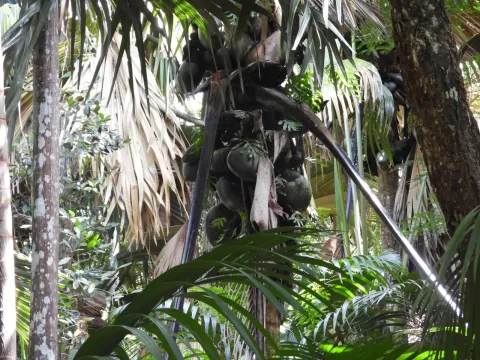
Lodoicea, commonly known as the coco de mer, is a member of the Arecaceae family, native exclusively to the Seychelles archipelago. This iconic palm is renowned for its massive seeds, which are the largest and heaviest in the plant kingdom.
What the section contains

Lodoicea
To cultivate Lodoicea, one must mimic its natural tropical environment, which consists of high humidity and constant warm temperatures. It thrives in locations where the average temperature remains well above 20°C throughout the entire year.
The soil requirements are specific: the palm demands deep, nutrient-rich, and well-draining soil. It cannot tolerate waterlogged conditions, as the root system is highly susceptible to rot if oxygen supply is restricted by stagnant water.
Consistent moisture is essential during the initial stages of growth. While mature palms can be somewhat more resilient, they generally require a steady supply of water to support their slow metabolic processes.
Light management is crucial during the early years of the plant's life. Seedlings should be grown in partial shade to prevent leaf scorch, transitioning to more intense light conditions as the palm matures and develops a robust trunk.
The primary threats to Lodoicea include fungal pathogens that attack the root zone, often triggered by excessive soil moisture. Root rot is a common issue that is difficult to reverse once the damage becomes significant.
Common household or greenhouse pests like spider mites and mealybugs frequently target the foliage. These pests thrive in warm, stagnant environments, necessitating good airflow and regular manual inspection of the palm fronds.
Nutrient deficiencies are a significant concern, specifically a lack of magnesium or iron, which causes leaf chlorosis. Consistent and balanced fertilization is necessary to maintain the health and structural integrity of the palm.
Mechanical damage to the growing point of the palm can prove fatal, as the plant does not possess the regenerative capacity of other species. Extra caution must be taken when moving or repotting the specimen.
Prevention through sterile growing media and regular sanitation of gardening tools is the best defense against viral and bacterial diseases that might otherwise infect the slow-growing tissues of the plant.