
Livistona inermis
Livistona inermis
Description
Growing requirements
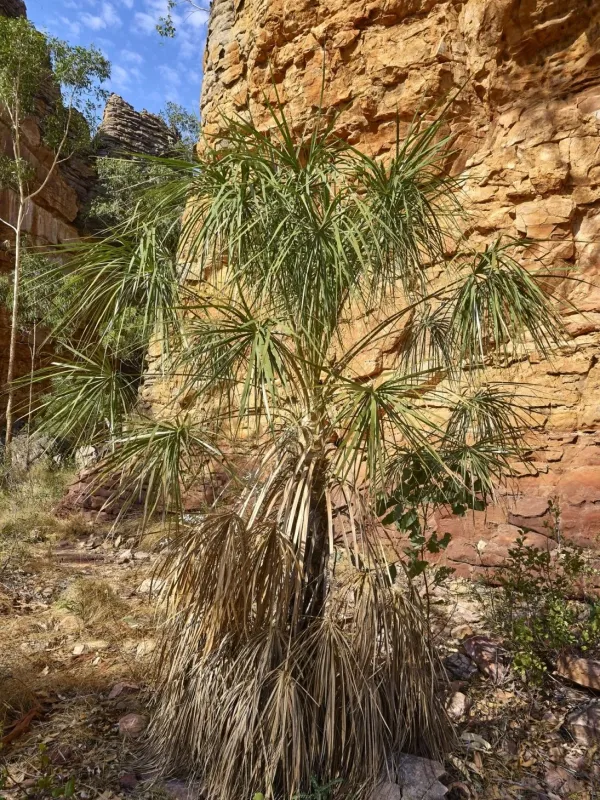
Livistona inermis is an elegant fan palm species belonging to the Arecaceae family. It is native to the northern regions of Australia, where it is primarily found in open woodlands and rocky habitats, exhibiting high tolerance for varied environmental conditions.
The defining characteristic of this plant is the lack of sharp spines on the leaf stalks, which gives it the common name "inermis" (unarmed). It develops a slender, single trunk and a crown of stiff, deeply divided fan-shaped leaves that make it a highly valued decorative crop.
To thrive, Livistona inermis requires bright, filtered light and protection from harsh midday sun. The plant performs best in a stable temperature range between +22 and +28 degrees Celsius, and it is sensitive to cold drafts during the winter dormancy period.
Successful cultivation depends on high-quality soil with superior drainage capabilities. A mixture containing organic peat, coarse sand, and loam works effectively to ensure that water does not accumulate around the root system, preventing common physiological disorders.
Agrotechnical management includes regular monitoring of moisture levels. Irrigation should be consistent, ensuring the top layer of the soil dries slightly between waterings, while the air humidity must be kept high to prevent leaf desiccation and edge necrosis.
Main diseases and pests
The primary pests affecting this species include spider mites, mealybugs, and scale insects. Maintaining hygiene and occasionally washing the foliage with mild soap solution can significantly reduce the risk of infestations in greenhouse or home environments.
Overwatering remains the most critical threat to Livistona inermis, often leading to root rot and fungal infections. If leaves become discolored or limp, it is essential to adjust the drainage and irrigation frequency immediately to restore plant health.