
Livistona jenkinsiana
Livistona jenkinsiana
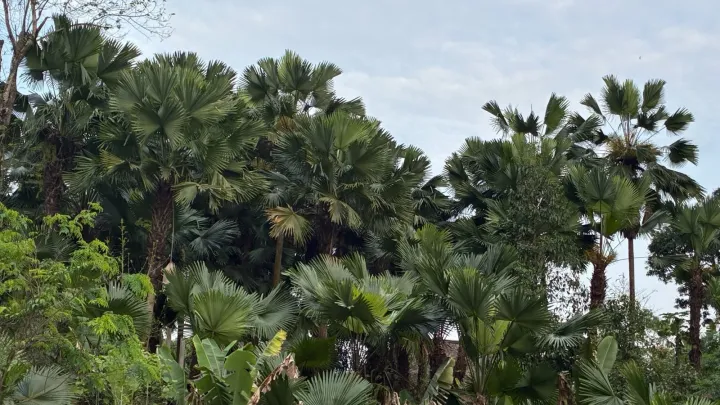
Description
Growing requirements
Livistona jenkinsiana is a tropical palm belonging to the Arecaceae family. Native to the humid rainforests of Southeast Asia, specifically regions within India, Myanmar, and China, it thrives in environments characterized by high humidity and consistent warmth.
To successfully cultivate this species, a stable temperature range between 20°C and 28°C must be maintained. The plant is highly sensitive to cold, and any exposure to frost can lead to irreversible cellular damage or total crop loss.
The ideal soil for this palm is a rich, well-draining substrate with a slightly acidic to neutral pH. Proper drainage is critical, as waterlogged conditions quickly promote root rot, which is the primary cause of decline in this species.
While tolerant of various light conditions, Livistona jenkinsiana prefers bright, indirect light. Intense midday sun can scorch its fan-shaped foliage, so providing light shade in greenhouse settings is often recommended to maintain leaf aesthetics.
Agronomic management requires consistent fertilization during the active growing season using a balanced, palm-specific fertilizer. Maintaining a high level of air humidity through regular misting is essential for preventing leaf-tip drying and ensuring vigorous development.
Main diseases and pests
The most significant pathological threats to Livistona jenkinsiana include root rot and stem decay caused by improper irrigation. Applying preventative fungicides and ensuring a porous soil structure are standard management protocols for professionals.
Pest management is primarily focused on spider mites and scale insects, which proliferate in environments with low atmospheric humidity. Regular visual inspection of the underside of leaves and the stem base is necessary for early detection.
For chemical control, systemic insecticides or horticultural oils are recommended, provided they are applied during the cooler parts of the day to prevent leaf burn from the application itself.
Nutrient deficiencies, particularly magnesium or manganese, often manifest as yellowing or spotting on the fronds. Soil testing and the application of micro-nutrient chelated fertilizers can mitigate these nutritional imbalances.
Monitoring the health of the apical meristem is crucial, as any injury to the plant's heart can halt growth indefinitely. Consistent adherence to sanitation practices in the nursery environment is the most effective defense against pests and diseases.
Harvesting
The primary economic use of Livistona jenkinsiana is in the ornamental horticulture sector. It is highly valued as a specimen plant for large interiors, botanical gardens, and tropical landscape projects due to its distinct, robust appearance.
In its native range, the palm serves as a source of sustainable materials. The leaves are harvested to produce traditional handicrafts, including woven mats, baskets, and natural thatch for roofing, demonstrating its local socio-economic utility.
Harvesting of leaves for artisanal use must be executed using sustainable practices. Only fully mature, hardened leaves should be removed to ensure the plant continues to produce new foliage and maintains its structural integrity.
In commercial nurseries, the production cycle focuses on seedling development. Seeds require a moist, heated germination environment to achieve successful emergence, usually within several weeks of planting.
Market-ready plants are graded based on height, stem health, and the number of pristine leaves. Proper handling during transport is vital to prevent breakage of the large, rigid fronds that define the commercial value of this species.