
Livistona nitida
Livistona nitida
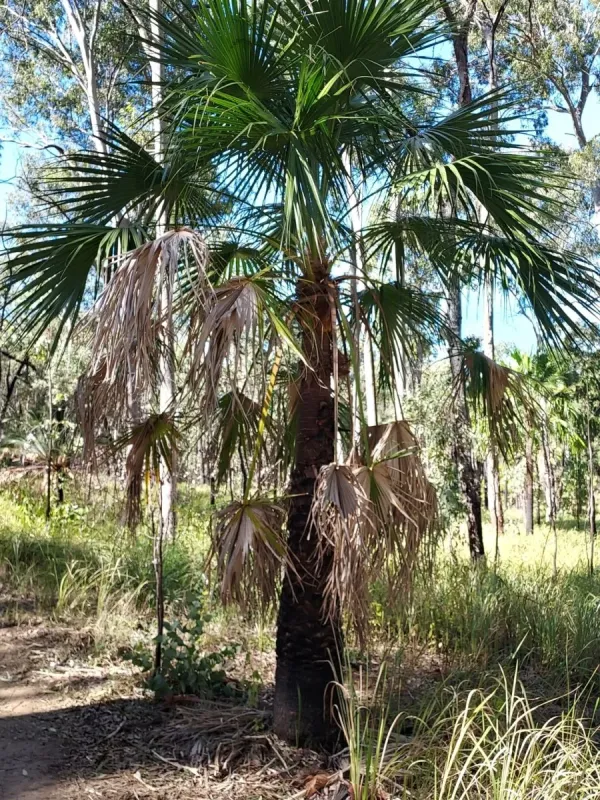
Description
Growing requirements
Livistona nitida, belonging to the Arecaceae family, is a distinct palm species native to Queensland, Australia. It is highly regarded for its tall, slender trunk and large, glossy, fan-shaped leaves, making it a popular subject in botanical collections and high-end landscaping.
This palm thrives in tropical to subtropical climates. In non-native regions, it requires a controlled environment with temperatures generally ranging between 20°C and 30°C. It is sensitive to frost and should be protected from temperatures below 10°C to prevent tissue damage.
The soil requirements for Livistona nitida include high organic matter content, excellent drainage, and a slightly acidic pH. A well-aerated potting mix is crucial, often supplemented with perlite or coarse bark to facilitate oxygen circulation around the root system.
Regarding light, the species prefers bright, filtered sunlight. While it can adapt to lower light levels as it matures, direct intense afternoon sun may scorch the foliage, while insufficient light leads to spindly growth and structural weakness in the leaf stems.
Watering practices should be consistent, ensuring the substrate remains moist but never waterlogged. During the growing season, a balanced liquid fertilizer should be applied periodically to support the vigorous growth of its large, structural leaves.
Main diseases and pests
Common pests affecting Livistona nitida include spider mites and scale insects. These pests often congregate on the undersides of the leaves or along the petiole, necessitating regular inspection and the use of horticultural soaps or systemic insecticides.
Fungal issues such as leaf spot are primarily caused by excessive humidity combined with poor air circulation. Effective management involves pruning dead or infected fronds and maintaining an open environment around the canopy to allow for proper airflow.