
Livistona endauensis
Livistona endauensis
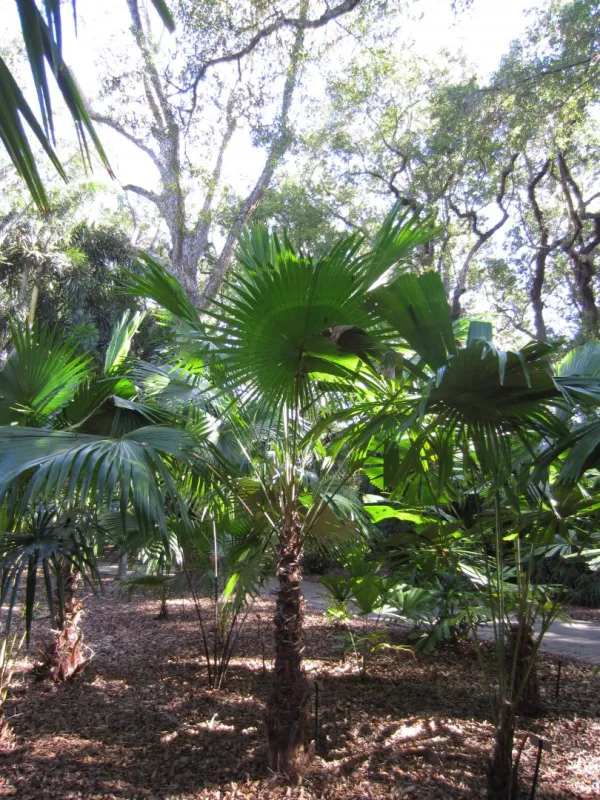
Description
Growing requirements
Livistona endauensis is a species of fan palm belonging to the Arecaceae family. It is a rare endemic plant native to the tropical rainforests of the Endau-Rompin area in Malaysia, thriving in humid environments with well-drained sandy substrates.
In cultivation, this palm requires a tropical climate with temperatures consistently between 22°C and 28°C. It is intolerant to cold drafts, which can cause significant physiological stress and leaf damage to the mature plant.
High relative humidity is essential for the health of Livistona endauensis. Growers should maintain humidity levels above 60% through regular misting, the use of pebble trays, or automatic humidification systems in indoor environments.
The soil mixture must be porous and fertile, typically consisting of peat-based potting soil amended with perlite or coarse sand to ensure excellent aeration and drainage. Waterlogging is detrimental and must be strictly avoided.
Regarding light requirements, this palm prefers bright, filtered sunlight. While it can adapt to lower light levels, growth will slow significantly; however, direct intense sun should be avoided to prevent scorching the delicate foliage.
Main diseases and pests
Spider mites are the most common pest challenge for this palm, especially in climate-controlled indoor settings where the air is often too dry during winter months.
Scale insects and mealybugs can also infest the palm, settling on the underside of the leaves and near the base of the stems, extracting vital plant sap.
Leaf spot diseases, caused by fungi or bacteria, often develop when the foliage remains wet for too long or if the plant is kept in an area with poor airflow.
Root rot is the most serious threat, usually caused by overwatering or using a pot without adequate drainage, which suffocates the roots and promotes anaerobic pathogen growth.
- Regular inspection of leaf undersides for early signs of pests
- Application of horticultural oils or systemic insecticides if needed
- Ensuring proper circulation of fresh air around the palm
- Monitoring moisture levels in the soil before every watering