
Livistona mariae
Livistona mariae
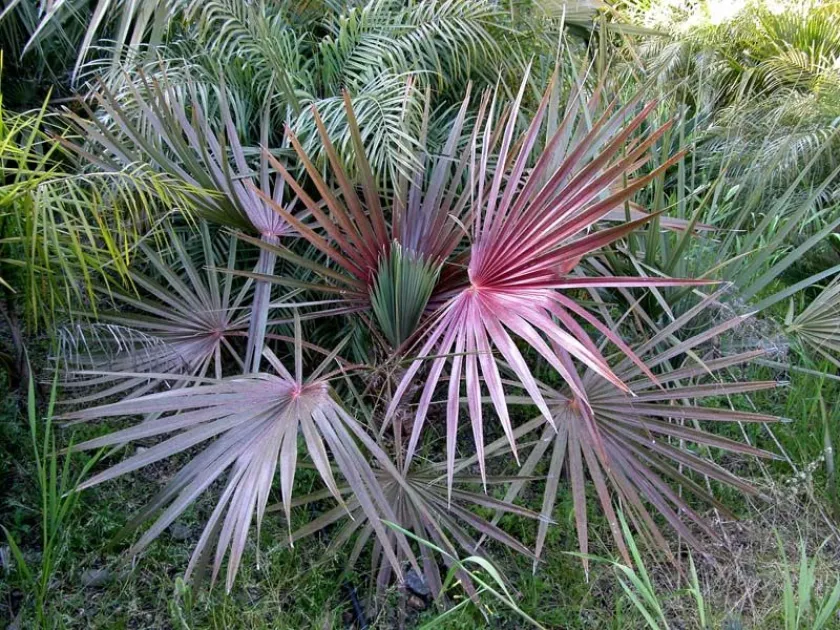
Description
Growing requirements
Livistona mariae, commonly known as the Central Australian cabbage palm, is a distinctive member of the Arecaceae family. This species is celebrated for its elegant fan-shaped fronds and robust growth habit, making it a sought-after ornamental plant for conservatories and large interior spaces.
The species originates from the isolated Finke Gorge National Park in Central Australia. Because of its native habitat, it is uniquely adapted to thrive in bright, filtered light conditions, requiring a balance between sun exposure and protection from harsh midday heat.
Cultivation success depends heavily on providing a well-draining, nutrient-rich soil medium. A potting mix based on peat or coconut coir with added perlite is often recommended to ensure roots receive sufficient oxygen while retaining necessary moisture.
Climate requirements include maintaining a consistent temperature range between 20°C and 26°C during the growing season. In winter, temperatures should not drop below 12°C to ensure the palm enters a period of healthy dormancy without suffering from physiological stress.
Proper water management is essential for the health of Livistona mariae. While the soil should remain moist, it must never be waterlogged. High ambient humidity is preferred, often requiring supplementary misting in dry indoor environments to keep the fronds healthy and vibrant.
Main diseases and pests
Livistona mariae can be susceptible to several common horticultural pests, including spider mites, scale insects, and mealybugs. These pests frequently congregate on the undersides of the fronds, feeding on plant sap and weakening the overall structure of the palm.
Fungal issues, such as root rot, are typically the result of overwatering or inadequate soil drainage. Such conditions create a perfect environment for pathogens that attack the root system and can lead to irreversible decline if left untreated.
- Regular inspection of the foliage for early detection of pest colonies.
- Application of horticultural oils or systemic insecticides when infestation levels warrant.
- Maintenance of proper airflow to prevent fungal spores from settling on the plant.
Sanitation is a vital component of pest management. Removing dead or yellowing leaves promptly reduces the risk of attracting pests and prevents the spread of potential diseases throughout the canopy.
In cases where environmental conditions cannot be perfectly mimicked, the use of a balanced, slow-release fertilizer during the active growing months helps the palm maintain its natural vigor and resistance against common biotic stressors.