
Livistona saribus
Livistona saribus
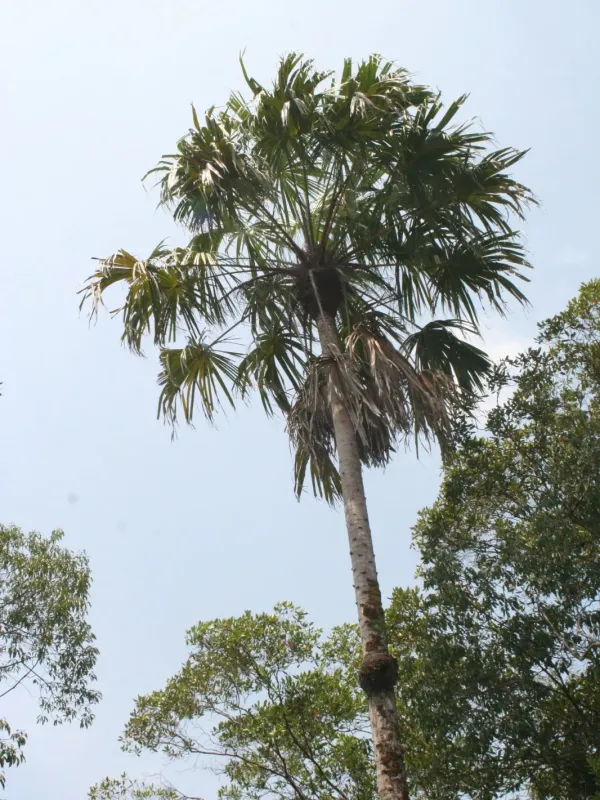
Description
Sowing dates
Propagation of Livistona saribus is primarily achieved through seeds. Fresh seeds should be sown in a well-draining, sterile substrate at temperatures between 25°C and 28°C to ensure successful germination.
The germination process is relatively slow and requires patience, often taking several months depending on seed freshness and environmental stability within the greenhouse.
Moisture levels must be carefully managed; the substrate should remain consistently moist but never waterlogged to prevent the risk of seed decay.
Seedlings are sensitive to transplanting due to their delicate root systems. It is recommended to use individual pots or propagation cells to minimize root disturbance during early growth stages.
Once true leaves appear, seedlings can be moved to larger containers. Adequate spacing is crucial at this stage to promote healthy air circulation and prevent fungal infections.
Growing requirements
Livistona saribus, a member of the Arecaceae family, is native to tropical environments. It thrives in high-humidity conditions and requires stable, warm temperatures throughout the year.
The palm prefers nutrient-rich, well-draining soil with a pH ranging from neutral to slightly acidic. Heavy, compacted soils should be avoided as they inhibit root development.
Regular watering is essential for maintaining growth, especially during active development periods, but drainage must be efficient to prevent root rot in containers.
While the plant tolerates indirect sunlight, providing bright, filtered light is necessary for healthy leaf formation. Young specimens require protection from harsh direct afternoon sun.
Good ventilation is vital in a professional nursery environment to minimize humidity-related leaf diseases and ensure the plant's overall vigor.
Yield
The primary horticultural use of Livistona saribus is in ornamental gardening, particularly for landscape design in tropical climates and as an indoor focal point in residential or commercial settings.
In its native range, the palm serves as a valuable resource for local artisanal crafts, including the weaving of mats, baskets, and the construction of traditional thatched roofs.
The plant contributes to the local economy by providing raw materials for traditional industries while also serving as a sustainable ornamental crop in modern nursery production.
Success in commercial cultivation is measured by the plant's growth rate, leaf color, and the absence of physical damage, which dictate its market value as an ornamental plant.
Developing sustainable harvesting practices for the foliage is an area of interest for regions where the palm is integrated into local craft industries alongside commercial nursery sales.
Main diseases and pests
The most common pests affecting this species are spider mites and scale insects, which often thrive in indoor or greenhouse settings characterized by low humidity levels.
Mealybugs pose a significant risk to the plant's growing tips, potentially causing leaf distortion and reduced aesthetic value if left untreated for extended periods.
Root rot is the most serious disease risk, typically caused by overwatering or poor drainage systems, which leads to the decline of the vascular system and plant death.
Leaf spot pathogens can occur under conditions of high humidity combined with stagnant air. Management involves prompt removal of infected leaves and application of appropriate fungicides.
Regular monitoring of plant health is necessary, as early detection of both pests and fungal issues is critical to maintaining the quality and appearance of the palms.