
Livistona subglobosa
Livistona subglobosa
Description
Growing requirements
Livistona subglobosa is a majestic palm species belonging to the Arecaceae family. Native to the subtropical regions of Japan, this plant has gained popularity in professional horticulture for its robust structure and distinctively elegant fan-shaped leaves.
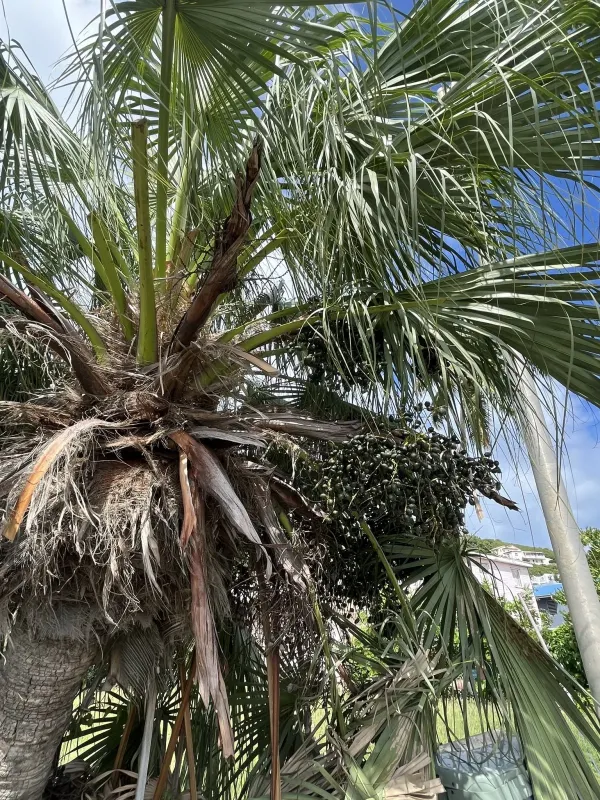
Botanically, the species is recognized by its solitary trunk and large, costapalmate leaves. The petioles are equipped with small, sharp spines, a characteristic that differentiates it from other species within the genus. The plant grows slowly, adding to its longevity in managed environments.
The culture thrives in bright, filtered light and requires a consistent temperature range between 22°C and 26°C. During the dormant winter period, it is crucial to avoid temperatures below 14°C to prevent cold stress and metabolic slowdown.
Soil requirements involve a well-draining, nutrient-rich substrate composed of loam, organic matter, and horticultural sand. The pH should be maintained between 6.0 and 7.0 to ensure optimal nutrient uptake, as the plant is sensitive to micronutrient deficiencies in poor-quality soil.
Economically, Livistona subglobosa is primarily utilized for interior landscaping, hotel lobbies, and botanical conservatories. Its aesthetic appeal makes it a premium choice for creating tropical themes in architectural design projects.
Main diseases and pests
Pest pressure is a significant concern, with scale insects, mealybugs, and spider mites being the primary threats. These pests flourish in indoor environments where natural predators are absent and air circulation is often insufficient.
Fungal pathogens represent the most serious threat to the palm's health, typically resulting from improper irrigation practices. Overwatering causes waterlogged conditions, which deprive the root system of oxygen and invite Phytophthora and Pythium species.
Nutrient toxicity or deficiency can also mirror the symptoms of pest damage. For instance, yellowing leaf tips often indicate either over-fertilization, which builds up salts in the soil, or an inconsistent watering cycle that creates osmotic stress.
Integrated Pest Management (IPM) is recommended for this culture. This includes the use of neem oil for mild infestations, physical removal of insects for localized control, and the application of systemic fungicides only after accurate diagnosis of the pathogen.
Environmental management remains the best defense against threats. Keeping the palm in a well-ventilated space and maintaining humidity levels through occasional misting or humidification will significantly increase the plant's natural resistance to diseases.