
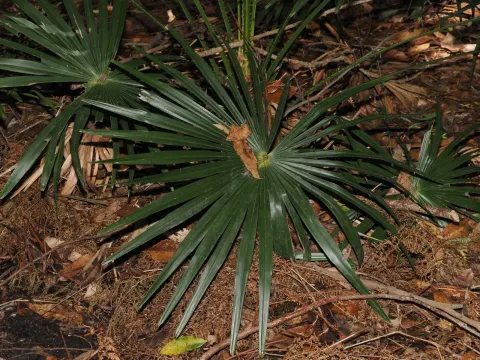
Livistona
Livistona
Livistona is a genus of evergreen palms within the Arecaceae family, known for its distinctive fan-shaped leaves. These plants are native to the tropical and subtropical regions of Southeast Asia, Australia, and the islands of the Western Pacific.
What the section contains

Livistona
The cultural requirements for Livistona involve bright, indirect light. While they can tolerate some partial shade, intense direct sunlight should be avoided to prevent leaf scorching, especially during the peak summer hours in indoor environments.
Soil composition must be rich in organic matter and highly porous. A typical potting mix for these palms consists of loam, leaf mold, and coarse sand or perlite. Proper drainage is essential to ensure that water does not accumulate at the root zone.
Temperature management is critical for healthy development. These palms prefer a range between 20°C and 26°C during the growing season. In winter, they tolerate cooler temperatures but should not be exposed to frost or sudden cold drafts which cause leaf stress.
Watering practices should be consistent, allowing the top layer of soil to dry out between sessions. Overwatering is the most common mistake, leading to physiological disorders and root system decline, particularly in low-light conditions where transpiration is reduced.
Spider mites are the most common pests affecting Livistona, thriving in dry indoor air. Their presence is identified by small webs on the undersides of leaves and fine yellow stippling on the surface, which indicates significant cell damage.
Scale insects and mealybugs also frequently infest these palms. These pests reside in leaf axils and along veins, extracting sap and weakening the plant. Control involves manual removal followed by the application of horticultural oils or systemic insecticides.
Leaf spot diseases, often caused by fungi or bacteria, manifest as irregular brown or black lesions with yellow halos. These are typically triggered by poor air circulation, high humidity, and overhead watering, which keeps foliage wet for too long.
Root rot, caused by various soil-borne pathogens like Phytophthora, usually stems from waterlogged soil. Signs include stunted growth and yellowing fronds. Remediation requires repotting in fresh, sterile media and careful trimming of all affected roots.
Nutrient deficiencies, such as potassium or magnesium deficiency, can appear as necrosis or chlorosis on older leaves. Regular application of a balanced, slow-release palm fertilizer during the active growing season helps prevent these common nutritional imbalances.