
Linospadix
Linospadix
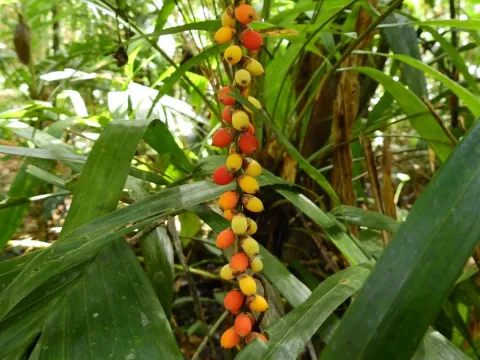
Linospadix is a genus of small, clustering or solitary palms belonging to the Arecaceae family. These plants are native to the understory of tropical rainforests in Queensland, Australia, and New Guinea, where they thrive in shaded environments.
What the section contains

Linospadix
The culture requires a consistently warm and humid climate to flourish. Temperatures should ideally be maintained between 20°C and 28°C. Being tropical forest plants, they are highly intolerant of frost and cold drafts.
When selecting a growing medium, it is crucial to prioritize excellent drainage combined with moisture retention. A mix of peat moss, perlite, and coarse organic matter creates an ideal environment for the roots to breathe while remaining consistently moist.
Light management is essential for the aesthetic health of the plant. Linospadix is a shade-tolerant genus, making it perfectly suited for interior spaces or conservatory environments where filtered light is provided rather than direct, scorching sun.
Watering practices should focus on maintaining even soil moisture without allowing the roots to sit in stagnant water. Using tepid, distilled, or filtered water is highly recommended to prevent salt buildup, which can cause leaf tip burn.
Spider mites are a primary concern for Linospadix, especially in indoor environments with low humidity. These pests thrive in dry air and can cause significant damage if the plant is not misted or kept in a humid environment.
Mealybugs are another common threat, hiding in the crevices of the leaf stalks. Regular inspection and the use of insecticidal soap or horticultural oils can help manage populations before they become an infestation.
Root rot is the most common physiological disorder caused by overwatering. It is characterized by blackened roots and wilting, often requiring immediate repotting and improvement of the drainage system to save the specimen.
Leaf spot diseases often occur due to poor air circulation and high ambient humidity. To prevent these infections, ensure there is adequate airflow around the plant and avoid wetting the foliage during the late evening.
Nutrient deficiencies, specifically magnesium or potassium, can manifest as chlorosis or spotting on older leaves. Using a balanced, slow-release palm fertilizer according to the manufacturer's instructions helps maintain vigorous foliage growth.