
Chinese fan palm
Livistona chinensis (Jacq.) R. Br. ex Mart.
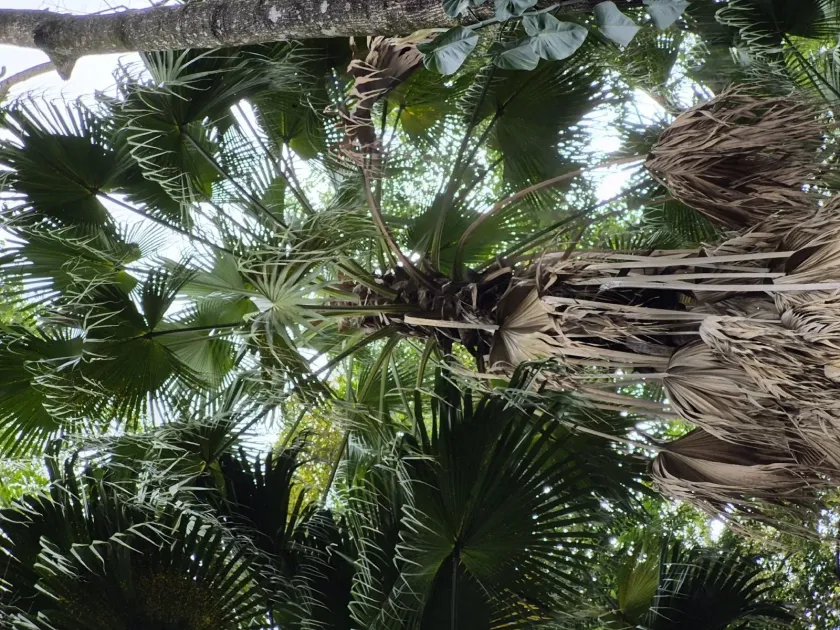
Description
Sowing dates
Propagation of the Chinese fan palm is primarily achieved through seeds, which should be planted as soon as possible after harvesting for maximum germination rates.
The seeds require a warm environment, ideally between 25 and 30 degrees Celsius, and a well-draining, peat-based seedling mix to develop roots successfully.
Placing the seed tray in a humid environment or covering it with a transparent film helps maintain the necessary moisture levels during the germination phase.
Germination can be a slow process, sometimes taking several months, so patience and consistent moisture levels are essential for the young seedlings.
Once the seedlings have developed their first true leaves, they should be carefully transplanted into individual pots to allow room for root expansion.
Growing requirements
The Chinese fan palm, a member of the Arecaceae family, is native to the subtropical regions of East Asia, including Japan and Taiwan, thriving in humid forest environments.
It prefers bright, indirect light conditions. While the plant can tolerate lower light, its growth rate and overall health are significantly better in bright spots.
A high-quality, slightly acidic to neutral potting soil that drains effectively is crucial to prevent waterlogging, which the plant does not tolerate well.
Watering should be done consistently, allowing the top inch of the soil to dry out between sessions to prevent rot and maintain a healthy root zone.
Regular misting or using a humidifier is highly recommended to mimic the palm's natural humid habitat and to keep the foliage vibrant and green.
Main diseases and pests
The most common pests affecting this palm are spider mites, scale insects, and mealybugs, which often thrive in dry indoor air environments.
Diseases such as leaf spot or root rot are typically associated with overwatering or poor air circulation around the palm's expansive foliage.
To combat pests, gardeners should regularly inspect the undersides of the leaves and use appropriate insecticidal soaps or neem oil when necessary.
Maintaining good sanitation by removing dead or yellowing leaves helps reduce the risk of spreading fungal infections throughout the plant.
Avoiding stagnant water in the drainage tray is one of the simplest yet most effective ways to protect the plant from developing severe root health issues.