
Livistona alfredii
Livistona alfredii
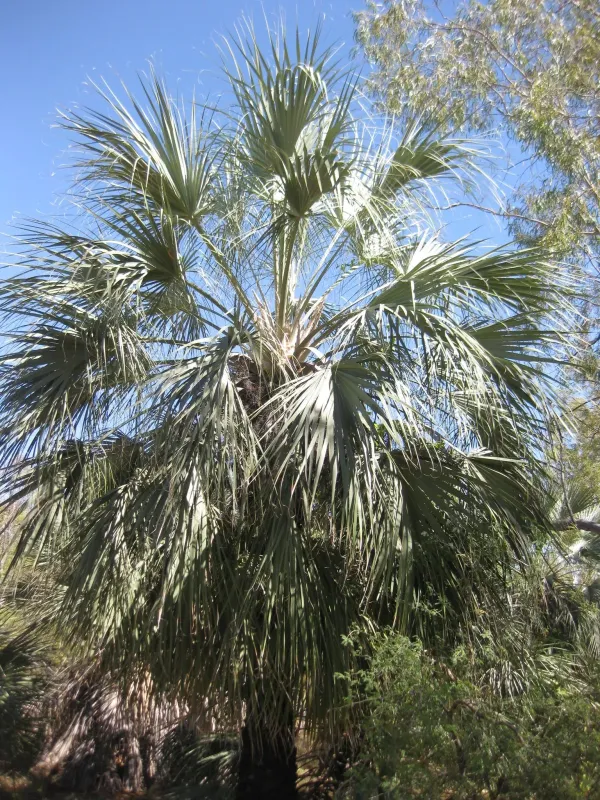
Description
Growing requirements
Livistona alfredii, commonly known as the King Palm or simply by its scientific name, is an impressive fan palm belonging to the Arecaceae family. This species is native to the rugged range areas of Western Australia, specifically found in specialized microclimates of gorge systems.
To thrive, this palm requires bright, filtered light and a warm, stable environment. While it is hardy in its native habitat, it is generally grown as an ornamental plant in temperate zones, where it prefers temperatures ranging from 20°C to 28°C during the active growing season.
Soil requirements for this palm include a well-draining, nutrient-rich substrate. A mixture of loam, peat, and coarse sand is ideal to ensure that water does not linger around the roots, as excessive moisture is a primary cause of developmental issues in this species.
Botanically, Livistona alfredii is characterized by its large, palmate leaves that form a striking fan shape. As it matures, it develops a robust trunk. Its aesthetic appeal makes it a highly sought-after plant for botanical collections and expansive indoor atriums.
Proper maintenance involves regular fertilization with a balanced, slow-release palm fertilizer to support growth. Maintaining adequate humidity levels through misting or air humidifiers is also recommended, especially during drier winter months in indoor settings.
Main diseases and pests
The primary pests targeting Livistona alfredii include spider mites and mealybugs, which thrive in indoor environments with low airflow. Regular monitoring of the foliage and early application of horticultural soaps can effectively manage these infestations.
Fungal pathogens pose a significant threat when soil drainage is insufficient. Overwatering or improper aeration of the root zone can trigger root rot, which often proves fatal if not addressed immediately through soil replacement and application of systemic fungicides.