
Livistona decora
Livistona decora
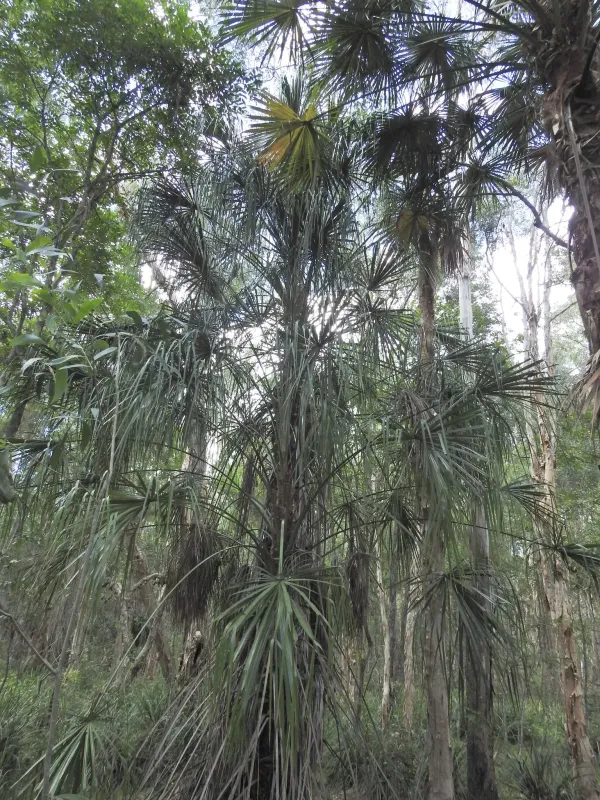
Description
Growing requirements
Livistona decora is a striking species within the Arecaceae family, originating from the tropical regions of Queensland, Australia. It is highly regarded in horticulture for its distinct architectural form and graceful foliage.
The plant exhibits large, fan-shaped leaves with deeply divided segments that cascade downwards, creating a fountain-like effect. This botanical feature makes it a popular choice for landscape and interior design.
Optimal growth requires a bright, filtered light environment. While the species can tolerate some morning sun, exposure to intense midday heat can cause leaf scorch and dehydration of the delicate foliage segments.
The substrate must be well-draining, rich in organic matter, and slightly acidic. Proper aeration of the root zone is crucial to ensure oxygen uptake and prevent the accumulation of excess salts in the soil profile.
Temperature management is vital, as the species thrives in warm conditions but requires protection from frost and freezing temperatures. Maintaining consistent humidity levels is key to sustaining healthy leaf color and texture.
Main diseases and pests
Spider mites are common pests that thrive in low humidity environments. They feed on the sap of the leaflets, causing chlorosis and fine webbing that significantly weakens the plant if not controlled early.
Scale insects can attach themselves to the stems and petioles. These pests are protected by a waxy cover, making them resistant to contact pesticides, so systemic treatments or manual removal are often necessary.
Root rot is a major physiological threat often linked to poor drainage or overwatering. Once pathogens enter the root system, it is difficult to reverse the damage, necessitating strict irrigation protocols.
Fungal leaf spot diseases may appear as dark, irregular lesions on the foliage. These outbreaks are usually triggered by stagnant air and water droplet accumulation on the leaves, which provides an entry point for spores.
Nutrient deficiencies, particularly involving magnesium or nitrogen, can lead to yellowing or stunted leaf development. A balanced, slow-release fertilizer tailored for palm species should be applied during the growing season.