
Hyophorbe
Hyophorbe
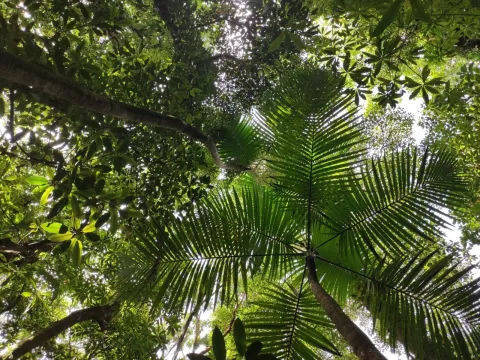
Hyophorbe is a genus of flowering plants in the Arecaceae family, native to the Mascarene Islands. These palms are widely recognized for their distinct, swollen trunks, which serve as water storage organs, allowing them to survive periods of limited rainfall in their natural tropical habitats.
What the section contains


Hyophorbe
The botanical profile of Hyophorbe features slow-growing, pinnate leaves that form a symmetrical crown atop the trunk. In cultivation, the plant is valued as a decorative specimen, requiring a consistent, warm climate with temperatures generally staying above 20 degrees Celsius to ensure optimal health.
Light requirements for this crop are significant, as it thrives in bright, filtered sunlight. Exposure to full afternoon sun in arid climates can lead to leaf scorching, while insufficient light levels will prevent the characteristic thickening of the trunk, diminishing the plant's aesthetic appeal.
Soil composition must prioritize drainage, as the roots are highly susceptible to rot if kept in consistently damp conditions. A blend of coarse peat, perlite, and bark-based potting mix is generally considered the best substrate for healthy root development in containers.
Regular maintenance includes watering when the top several centimeters of the soil have dried out completely. It is important to avoid standing water, and in indoor environments, increasing ambient humidity through regular misting will prevent the tips of the leaves from turning brown or brittle.
The most common pests affecting this species are spider mites and scale insects. These pests are attracted to the plant when humidity levels drop too low or when the palm is under environmental stress, requiring prompt identification and the application of horticultural oils or insecticidal soap.
Fungal issues, particularly stem and root rot, are often linked to improper irrigation practices or poor soil aeration. Preventing these conditions involves using well-draining pots and ensuring the substrate does not stay waterlogged during the cooler winter months when the plant's metabolism slows down.