
Jauari palm
Astrocaryum jauari
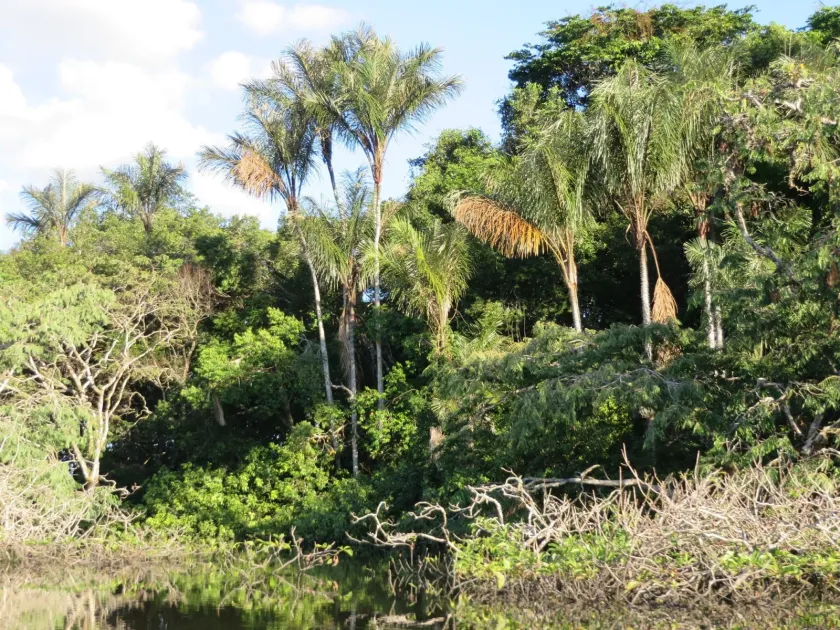
Description
Sowing dates
Jauari palm, known scientifically as Astrocaryum jauari, is a notable species within the Arecaceae family. Native to the Amazon and Orinoco basins, this palm is biologically adapted to survive in flood-prone environments where other crops would fail to grow.
Propagation typically relies on seeds that possess a hard outer layer. Successful germination requires careful stratification or mechanical scarification to break dormancy, followed by planting in nutrient-rich soil media that mimics the alluvial deposits of its native habitat.
Seedlings are nurtured in specialized nurseries under high humidity and constant warm temperatures. It is essential to protect young plants from direct, intense sunlight during their early developmental stages until their root systems are robust enough to support rapid vertical growth.
Planting in the field is usually scheduled to align with the onset of the wet season, allowing the palm to establish itself before the peak flooding period. A spacing of 5 to 6 meters is generally recommended to ensure optimal airflow and light exposure for mature trees.
The selection of the planting site is critical, as Jauari palm thrives best on silty soils that receive periodic mineral deposits from river water. Soil testing prior to planting helps determine if any organic amendments are necessary to jump-start growth in non-optimal soils.
Growing requirements
The defining characteristic of Astrocaryum jauari is its exceptional ability to withstand prolonged inundation. Unlike most palms, Jauari can survive months of complete root immersion, making it a sustainable choice for flood-plain agriculture and ecological restoration projects.
This crop requires a tropical climate with temperatures consistently above 25°C. It is highly sensitive to cold, and even minor temperature drops can significantly retard the growth rate and physiological functions of the palm, making it unsuitable for cooler regions.
High relative humidity is essential for the palm's development. While it grows well in water, the circulation of that water is important to provide nutrients and prevent the hypoxic conditions that can lead to root decay in stagnant, poorly aerated water bodies.
Exposure to full sunlight is a prerequisite for high fruit yield. As the palm matures, it requires an open canopy. Any significant shading from surrounding vegetation will redirect the tree's energy toward stem elongation rather than fruit production, decreasing agricultural output.
Soil quality management involves monitoring the influx of sediments from annual floods. In artificial cultivation systems, mimicking this natural cycle with occasional fertilization can significantly improve plant health and ensure the steady production of flowers and fruit clusters.
Yield
Jauari palm is primarily cultivated for its fruit, which contains valuable oils and serves as a vital food source for both humans and local livestock. The trees generally reach a state of productive maturity between 5 to 8 years after being planted, depending on conditions.
Yield efficiency is directly linked to the health of the tree and its access to nutrients delivered during flood cycles. A well-maintained plantation can produce significant annual harvests, contributing to the economic stability of small-scale agricultural operations.
Beyond the fruit, the palm provides secondary products such as durable fibers from its leaves and stems, which are often used in local handicrafts. This multipurpose utility allows farmers to derive value from different parts of the plant throughout the calendar year.
The oil extraction process is a key commercial activity associated with this crop. Due to the high demand for specialized tropical oils, the produce has a strong potential for market growth if supply chains are properly managed and logistics are improved.
Fluctuations in water levels remain the most significant variable affecting annual yields. Proactive water management and the selection of favorable planting zones are essential strategies for farmers who wish to maximize consistent production across multiple harvest seasons.
Main diseases and pests
The most dangerous pests for Astrocaryum jauari are borers and weevils that attack the palm's growing point. These insects can cause irreversible damage to the tree's crown, often leading to death if infestations are not detected and managed at an early stage.
Fungal pathogens represent a major threat, particularly in environments with poor air circulation and excessive humidity. Preventing the accumulation of debris around the base of the tree is a standard agricultural practice to minimize the risk of fungal outbreaks in plantations.
Nematodes can pose a challenge to seedlings in nursery settings. Using sterilized soil mixtures and sourcing high-quality seeds are essential steps in reducing the risk of subterranean pest damage during the most vulnerable period of the palm's early life cycle.
Wild animals, such as monkeys and various bird species, are significant consumers of the fruit crop. Agriculturalists often implement defensive strategies, such as physical barriers or scare devices, to protect the ripening fruits from heavy predation during the harvest season.
Nutrient deficiency symptoms, such as leaf yellowing or stunted growth, indicate that the soil environment may require adjustments. Regular tissue analysis and site inspections allow for corrective fertilization, helping to maintain the palm's resistance to environmental stress.
Harvesting
Harvesting usually involves navigating flooded fields by boat to reach the mature trees. The fruit clusters are cut carefully, as the palm is known for its sharp, defensive thorns that cover the trunk and stems, requiring workers to use specialized protective gear.
Post-harvest handling is critical for preserving oil quality. Fruits should be processed within 24 to 48 hours of picking to prevent oxidation and the growth of mold. Rapid transport from the field to the processing facility is the most important factor in quality control.
The extraction of oil is typically performed through mechanical pressing. Modern processing techniques have increased the recovery rate of oil compared to traditional methods, leading to higher efficiency and less waste at the plantation site.
Leftover pulp after oil extraction serves as a nutritious byproduct for livestock feed. This integration of crop production and animal husbandry enhances the sustainability of the farming system and provides farmers with multiple streams of revenue from a single crop.
Final storage of the oil requires controlled conditions to ensure shelf stability. By following strict quality protocols from the moment of harvest to the final packaging, producers can maintain the high value of Jauari palm products for international and local markets.