
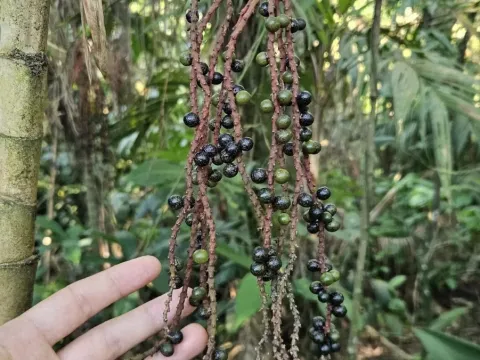
Geonoma
Geonoma
Geonoma is a diverse genus of palms within the Arecaceae family, native to the tropical rainforests of Central and South America. These plants are characteristic of the understory layer, where they thrive in filtered light and high humidity conditions throughout the year.
What the section contains


Geonoma
The cultural requirements for Geonoma include maintaining a warm and stable environment with temperatures between 18 and 26 degrees Celsius. Exposure to cold drafts or significant thermal fluctuations can severely stress the plant, leading to leaf necrosis and stunted growth.
Optimal soil conditions necessitate a well-draining, nutrient-rich, and slightly acidic potting medium. A mix incorporating peat moss, perlite, and pine bark is typically ideal, ensuring that the roots have sufficient access to oxygen while retaining necessary moisture.
In terms of light, Geonoma palms require bright, indirect lighting. Direct sunlight is highly detrimental to the foliage, which is adapted to low-light levels in nature. Placing the plant in a shaded area or near a north-facing window is usually the best approach.
Irrigation must be precise, as the species is sensitive to both waterlogged soil and prolonged drought. It is recommended to water the plant when the top inch of the soil feels dry, while also ensuring high ambient humidity via misting or a humidifier to maintain leaf health.
The primary pests affecting Geonoma palms include spider mites, which thrive in low-humidity indoor environments. These pests cause yellow speckling on the leaves and can be controlled by increasing humidity and using horticultural soaps.
Scale insects and mealybugs can also infest the palm, particularly in the leaf axils. Infestations should be managed immediately with systemic insecticides or manual removal using cotton swabs dipped in isopropyl alcohol to prevent further spreading.
Root rot, often caused by overwatering and insufficient drainage, represents a major threat to the plant's survival. Signs of this condition include yellowing lower leaves and a foul smell from the soil, requiring immediate repotting into fresh, dry substrate.
Fungal leaf spot diseases may appear if the palm is kept in stagnant air with high moisture levels. Improving air circulation and avoiding overhead watering are essential preventative measures to keep the foliage healthy and pathogen-free.
Nutrient deficiencies, particularly involving magnesium or potassium, can manifest as leaf tip burn or chlorosis. Implementing a regular fertilization schedule during the growing season with a balanced, slow-release palm fertilizer helps sustain vigorous growth and overall plant resilience.