
Hedyscepe
Hedyscepe
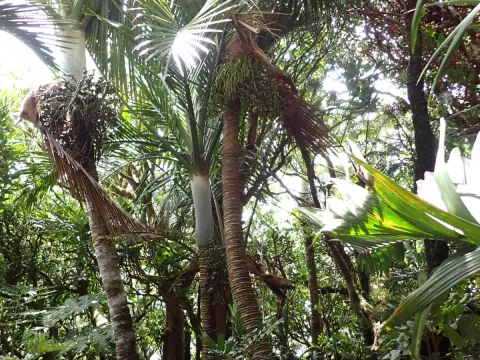
Hedyscepe (Hedyscepe canterburyana) is a monotypic genus of palms belonging to the Arecaceae family. Native exclusively to the misty mountain slopes of Lord Howe Island, this palm is highly valued by collectors for its elegant, pinnate foliage and unique habit.
What the section contains

Hedyscepe
The cultivation of this species requires strict adherence to environmental conditions. It thrives in cool to moderate climates, making it unsuitable for intense heat. In greenhouse settings, the temperature must be carefully managed to avoid extremes, ensuring the plant stays within its comfort zone.
Soil requirements for Hedyscepe include a well-draining, nutrient-rich potting medium. The soil should be slightly acidic to neutral, mirroring the conditions found in the rocky, organic-rich substrates of its native mountainous habitat.
Light management is crucial; this palm prefers bright but indirect light. Direct sunlight, especially during the peak of summer, can lead to scorched leaves and diminished plant health, so filtered lighting is the optimal solution for long-term growth.
Watering frequency should be balanced to maintain consistent moisture without inducing waterlogging. The root system is sensitive to poor drainage, necessitating a high-quality drainage system in containers to prevent hypoxia and root rot.
Common indoor pests such as spider mites and scale insects are the primary threat to Hedyscepe. These pests often exploit low humidity levels, emphasizing the need for regular misting and maintaining a suitable microclimate.
Mealybugs can also infest the plant, typically hiding in the leaf axils. Physical removal combined with systemic insecticides is usually necessary to manage severe outbreaks and prevent damage to the delicate fronds.
Fungal issues, specifically root rot, occur when irrigation practices are poor. Overwatering, especially in the winter months when growth rates slow down, is the leading cause of mortality for this species in cultivation.
Leaf spot diseases, often caused by Phytophthora or other pathogens, can compromise the aesthetic and structural integrity of the plant. Ensuring adequate air circulation around the canopy helps reduce the risk of spore germination.
Regular maintenance, including sanitation of the growing environment and early detection of symptoms, is essential to keep the plant in optimal condition and avoid the spread of diseases among other tropical indoor collections.