
Hyophorbe indica
Hyophorbe indica
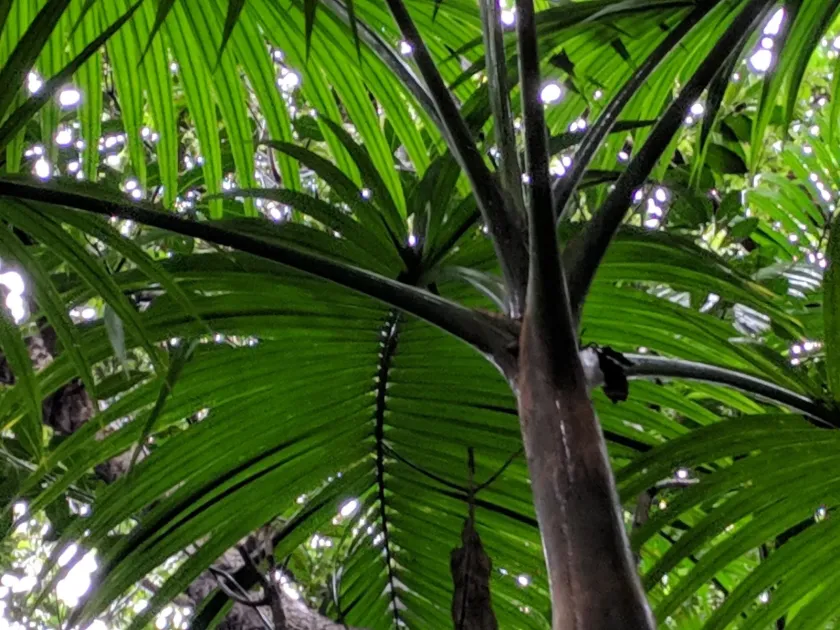
Description
Growing requirements
Hyophorbe indica belongs to the Arecaceae family and is native to the island of Réunion. It is highly valued as an ornamental specimen in tropical landscaping due to its distinct, elegant, and slender growth habit.
The climate requirements for this species are strict: it thrives in high humidity and constant warm temperatures. It is extremely sensitive to frost and should be grown in environments where temperatures remain above 18°C throughout the year.
Soil structure is critical for successful cultivation. The medium must be well-draining, rich in organic matter, and slightly acidic. A mix of peat, bark, and perlite provides the necessary aeration for root health.
Light intensity significantly influences the development of this palm. While it tolerates partial shade, it produces the most vigorous growth and dense foliage when exposed to bright, indirect sunlight throughout the day.
Watering management involves maintaining consistent moisture without saturating the roots. It is essential to ensure that water does not sit in the crown of the palm, as this can trigger rot in the growth point.
Main diseases and pests
The primary pests affecting Hyophorbe indica in agricultural and nursery settings include spider mites, which flourish in hot and dry indoor conditions.
Scale insects are another common threat, often found clustering on the undersides of leaves or along the midribs, draining the plant's essential nutrients.
Mealybugs can become problematic in sheltered environments, hiding in the leaf axils. Regular inspection and systemic insecticide treatments are often required to manage these outbreaks.
Phytophthora root rot remains the most devastating disease, typically caused by overwatering or poor drainage systems in the nursery containers.
Leaf spot pathogens can occur during rainy, humid seasons if the air circulation is inadequate. Maintaining a clean growing area and pruning away old, desiccated foliage helps reduce disease pressure.